Selecting an LPG storage tank requires careful coordination between storage demand, operating pressure, site conditions, installation method, filling frequency, safety accessories, and local pressure-vessel regulations. For gas distributors, filling stations, factories, and energy projects, capacity is important, but it is only one part of the purchasing decision.
Vehision supplies aboveground and underground LPG storage tanks in a published capacity range from 5 m³ to 120 m³. The current specification table lists Q345R pressure-vessel steel, a design pressure of 1.77 MPa, working pressure of up to 1.77 MPa, and hydrostatic test pressure of 2.22 MPa across the displayed range.
Buyers looking for bulk LPG storage tanks should first define the stored medium, required usable volume, refill cycle, installation location, design code, and destination-market approval requirements.
What Are LPG Storage Tanks? Definition for Industrial and Commercial Gas Supply
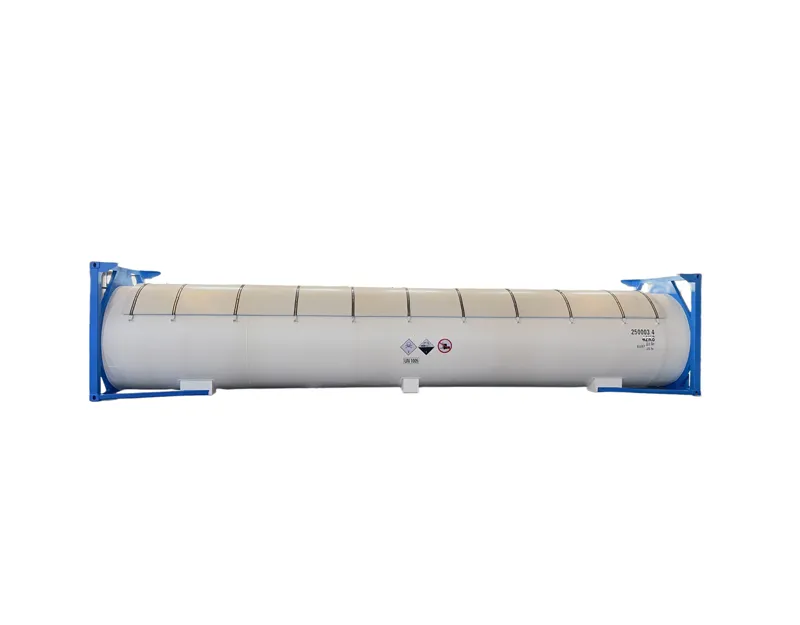
An LPG storage tank is a stationary pressure vessel used to store liquefied petroleum gas before distribution, filling, or industrial consumption. LPG remains liquid under pressure, so the vessel, valves, gauges, supports, piping connections, and pressure-relief devices must be designed as an integrated system.
Aboveground tanks are installed on visible supports and provide easier access for inspection, piping work, and maintenance. Underground tanks are installed below ground level and can reduce the visual footprint of a project, but they require suitable foundation, corrosion protection, access, drainage, and inspection planning.
Vehision’s page identifies the tanks for industrial and commercial applications, including LPG stations, factories, and energy projects. The page also notes that related pressure vessels may be engineered for propane, propylene, liquid ammonia, dimethyl ether, butadiene, isobutane, and other liquefied gases. However, buyers should not assume one tank specification is suitable for every medium. Material, pressure, connections, safety devices, and certification must be confirmed for the exact stored gas.
Where Are LPG Storage Tanks Used? Key Applications for Gas Distribution and Industry
Industrial LPG storage tanks can support several types of projects.
At an LPG filling station, the tank receives bulk product from a road tanker and supplies pumps, compressors, dispensers, or cylinder-filling equipment. Capacity should reflect daily throughput, peak demand, and refill reliability.
Factories may use LPG for boilers, burners, ovens, drying, heating, or process energy. Storage capacity should match consumption, production schedules, backup requirements, and available space.
Commercial facilities can use LPG for centralized cooking, heating, or hot-water systems, while energy projects may use large tanks within a regional supply network.
The appropriate tank size is not simply the largest tank that fits the budget. Oversizing can increase capital cost and site requirements, while undersizing may lead to frequent deliveries and supply interruptions. Buyers should calculate average consumption, peak demand, desired reserve time, and the practical refill interval before choosing a capacity.
LPG Storage Tank Parameter Table: Capacity, Pressure, Material and Filling Weight
Vehision publishes a range of tank sizes from 5 m³ to 120 m³. The following table summarizes selected capacities from the current page.
| Nominal Capacity | Nominal Diameter | Design Pressure | Hydro Test Pressure | Tank Material | Published Filling Weight |
|---|
| 5 m³ | 1,600 mm | 1.77 MPa | 2.22 MPa | Q345R | 2,500 kg |
| 10 m³ | 1,600 mm | 1.77 MPa | 2.22 MPa | Q345R | 5,000 kg |
| 20 m³ | 1,800 mm | 1.77 MPa | 2.22 MPa | Q345R | 10,000 kg |
| 25 m³ | Multiple diameter options listed | 1.77 MPa | 2.22 MPa | Q345R | 12,500 kg |
| 30 m³ | Multiple diameter options listed | 1.77 MPa | 2.22 MPa | Q345R | 15,000 kg |
| 40 m³ | 2,400 mm | 1.77 MPa | 2.22 MPa | Q345R | 20,000 kg |
| 50 m³ | 2,300 mm | 1.77 MPa | 2.22 MPa | Q345R | 30,000 kg |
| 60 m³ | 2,700 mm | 1.77 MPa | 2.22 MPa | Q345R | 32,500 kg |
| 80 m³ | 3,100 mm | 1.77 MPa | 2.22 MPa | Q345R | 42,500 kg |
| 100 m³ | 3,100 mm | 1.77 MPa | 2.22 MPa | Q345R | 50,000 kg |
| 120 m³ | 3,400 mm | 1.77 MPa | 2.22 MPa | Q345R | 60,000 kg |
The table is a procurement reference, not a substitute for a final engineering document. Some capacities have more than one diameter and dimension option. Buyers should confirm the exact drawing, shell and head thickness, corrosion allowance, nozzle arrangement, support structure, filling ratio, and code requirements for the ordered tank.
Aboveground vs. Underground LPG Storage Tanks: Which Installation Fits Your Project?
Aboveground LPG storage tanks are supported by saddles and remain accessible for visual inspection. Vehision lists typical aboveground components including the pressure-resistant tank body, heads, supports, manhole, liquid and vapor connections, inlet and discharge ports, drain, lifting lugs, safety valve, vent valve, level gauge, pressure gauge, and thermometer.
This arrangement can simplify inspection and maintenance. Aboveground tanks still require suitable separation distances, foundations, firefighting provisions, and site protection under local rules.
Underground LPG tanks are installed below grade. The page lists key components including liquid inlet and outlet, drain, vent valve, safety valve, vapor-balance connection, thermometer, level gauge, pressure gauge, and manhole.
An underground installation can conserve visible site space, but it requires more planning for excavation, foundation, drainage, anti-corrosion protection, access, and leak monitoring. Local groundwater conditions and soil characteristics must also be considered by the project engineer.
The decision should therefore consider:
Available land and site layout;
Required separation distances;
Inspection and maintenance access;
Soil and groundwater conditions;
Corrosion-protection strategy;
Civil-work cost;
Vehicle access for LPG delivery;
Local fire and pressure-vessel regulations.
Neither installation method is automatically better. The suitable option depends on the project location and regulatory framework.
FAQ: What to Know Before Buying LPG Storage Tanks
What capacity should I choose?
Calculate average daily consumption, peak demand, expected refill interval, delivery reliability, reserve requirements, and future expansion. Vehision lists capacities from 5 m³ to 120 m³.
What material is used for the published tanks?
The current specification table lists Q345R pressure-vessel steel and a corrosion allowance of 1 mm.
What safety accessories are included?
The page lists safety valves, vent valves, liquid-level gauges, pressure gauges, thermometers, drain ports, and liquid or vapor connections. Final accessories depend on the tank design and local code.
Are both aboveground and underground tanks available?
Yes. Vehision describes both aboveground and underground LPG storage tank configurations.
How is weld quality checked?
The product page states that the tanks undergo X-ray inspection during production. It also states that the tank body receives heat treatment and exterior grinding.
Can the same tank store other liquefied gases?
A tank may be engineered for another specified medium, but buyers must confirm material compatibility, design pressure, valve arrangement, and certification. An LPG specification should not be applied automatically to ammonia or another liquefied gas.
What should be included in a quotation request?
Provide the stored medium, required capacity, installation type, destination country, applicable design code, site conditions, inlet and outlet requirements, instrumentation, and required documentation.
When comparing LPG gas storage tanks for sale, buyers should evaluate the complete technical and project package rather than capacity alone. A suitable tank must match the stored medium, demand profile, site layout, installation method, safety system, and local approval process.
 English