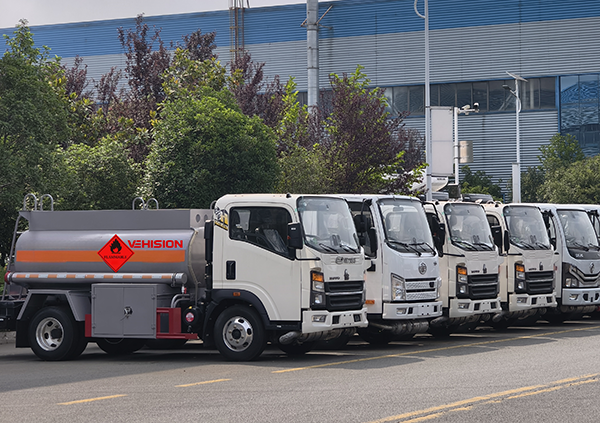
Choosing a compactor lorry involves more than comparing body volume or chassis price. Municipal authorities, waste contractors, factories, residential communities, and transfer stations must also consider the type of waste, collection route, bin standard, loading method, compression system, sewage control, operating environment, and local vehicle regulations.
Vehision’s compactor garbage truck range includes models with body volumes from approximately 5.3 CBM to 26 CBM, together with different rear-loading structures. Buyers can select a vehicle according to daily waste volume, road access, collection frequency, and the way waste is presented at each collection point.
A properly selected bin lorry compactor can reduce waste volume inside a sealed body, improve payload use, limit sewage leakage, and support more efficient transport between collection points and disposal or transfer facilities.
What Is a Compactor Lorry? Definition and Working Principle
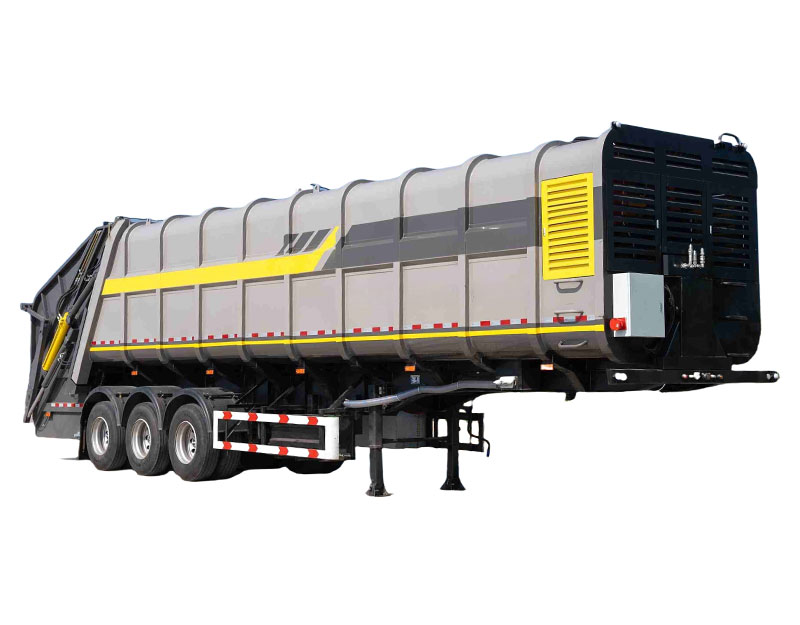
A compactor lorry is a refuse-collection vehicle equipped with a sealed garbage body and a hydraulic compression system. Waste is loaded through a rear bin lifter, hopper, or swing-arm device. A scraper and sliding plate then move the waste into the body, where a push plate compresses it.
Vehision describes its system as a two-way compression design. The published page states that the compression ratio can reach up to 1:2.5 and that compressed waste density can reach approximately 600–800 kg/m³. Actual results depend on the waste composition, moisture content, operating procedure, and selected vehicle.
The main system includes a high-strength sealed compartment, filling device, hydraulic drive, and electric controls. The hydraulic system operates the push plate and loading equipment, while the CAN-based control system supports automatic and manual operation. The vehicle can be controlled from the cab, side, or rear, and the working device includes an emergency stop button.
Common Applications of Compactor Lorry in Municipal and Commercial Waste Collection
A lorry compactor can be configured for different waste-collection environments.
Municipal collection routes often require frequent stops and compatibility with standardized roadside bins. Vehision lists rear hanging-bin equipment for 120 L and 240 L containers, with options for 360 L and 660 L lifting devices. This configuration can suit urban districts, residential communities, and factory areas.
A dual-bin triangular hopper can handle two 120 L or 240 L bins at the same time. It may be useful where crews need faster collection in busy urban areas or at suburban waste-transfer points.
For locations where waste is delivered by forklifts or small dump vehicles, a large landing hopper provides a wider receiving area. This can support secondary transfer operations in medium or large cities.
A rear swing-arm structure can work with approximately 3 m³ ground or pit-type containers. It is more suitable for dispersed collection points where a detachable container is filled before being transferred to a landfill or transfer station.
Commercial users should evaluate whether the selected structure matches their existing bins, loading equipment, workforce, and route conditions. Choosing a large body without considering road width, turning space, or daily waste generation may increase operating costs without improving collection efficiency.
Compactor Lorry Parameter Table: Capacity, Loading Structure, Compression System and Controls
| Parameter | Available Information |
|---|
| Product type | Compactor garbage truck |
| Published model range | Approximately 5.3 CBM to 26 CBM vehicle models |
| Chassis brands | Dongfeng, Foton, Sinotruk HOWO, ISUZU, FAW, North Benz, JAC and CAMC |
| Drive configurations | 4×2, 6×4, 8×4, 4×4, 6×6 and 8×8 |
| Engine brands | Cummins, ISUZU, Weichai, Yuchai and Yunnei |
| Transmission options | FAST, ZF, manual or automated manual transmission |
| Bin compatibility | 120 L and 240 L bins; optional 360 L and 660 L lifting devices |
| Other loading options | Dual-bin hopper, landing hopper and swing-arm device |
| Tank or body material | Q235 carbon steel or stainless steel options are listed |
| Control modes | Manual and automatic |
| Control locations | Cab, vehicle side or rear |
| Compression ratio | Up to 1:2.5, according to the product page |
| Compressed waste density | Approximately 600–800 kg/m³, according to the product page |
| Sewage management | Dedicated wastewater collection boxes and sewage tank |
| Safety control | Emergency stop button and electric control system |
The exact body volume, chassis payload, axle load, hydraulic specifications, and overall dimensions should be confirmed for the selected model. Buyers should request a model-specific specification sheet instead of relying only on a general category-page table.
Compactor Lorry vs. Traditional Garbage Truck: Which Vehicle Fits Your Collection Route?
A traditional non-compacting garbage truck mainly collects and transports waste. It may be suitable for bulky materials, container exchange, short routes, or waste that should not be compressed.
A compactor lorry adds hydraulic loading and compression. This can increase the amount of ordinary municipal waste carried per trip and reduce the number of journeys required between collection points and disposal facilities. Its sealed body and sewage collection system can also improve sanitation during transport.
However, compaction is not suitable for every material. Construction debris, oversized objects, hazardous waste, and materials that can damage the hydraulic mechanism require a different vehicle or collection method.
Buyers should compare the following factors:
Daily waste volume and density;
Waste composition and moisture;
Number of collection stops;
Distance to the transfer station or landfill;
Available bin sizes;
Street width and turning radius;
Required loading speed;
Local payload and axle-load rules;
Maintenance capacity for hydraulic and electrical systems.
For high-frequency residential or municipal routes, a compactor garbage truck may provide better transport efficiency. For detachable containers or bulky waste, a hook-lift or swing-arm truck may be more appropriate.
FAQ: Questions Buyers Ask Before Choosing a Lorry Compactor
What body capacity should I choose?
Estimate daily waste volume, waste density, collection frequency, route distance, and legal payload. Vehision displays models from approximately 5.3 CBM to 26 CBM, but the best size depends on the chassis and operating route.
Which bin sizes can the truck handle?
The current page lists 120 L and 240 L bins as standard options, with 360 L and 660 L lifting devices also available. Compatibility should be confirmed using the buyer’s actual bin dimensions.
Can the loading structure be customized?
Yes. Vehision lists rear hanging-bin, dual-bin triangular hopper, large landing hopper, and swing-arm structures. The selected option should match local collection practices.
How does the truck control sewage leakage?
The vehicle uses a sealed garbage body and dedicated wastewater collection boxes that direct liquid into a sewage tank during compression.
Can operators control the system from different positions?
The current product page states that manual and automatic controls can be operated from the cab, side, or rear of the vehicle.
What information is needed for a quotation?
Provide the destination country, daily waste volume, preferred body capacity, bin size, loading structure, chassis brand, drive configuration, road conditions, and applicable vehicle standards.
A compactor lorry should be selected as a complete waste-collection system rather than only by body capacity. Matching the chassis, loading device, compression mechanism, route, and local bin system can improve collection efficiency and reduce operational problems after delivery.
 English