The global demand for efficient LPG gas transport continues to grow as liquefied petroleum gas becomes an important energy source for households, industrial applications, and transportation. For logistics companies, gas distributors, and energy suppliers, choosing the right LPG tanker lorry is a critical investment decision.
One of the most common questions buyers face is whether to purchase a new or used LPG tank truck for sale. While new trucks offer the latest technology and reliability, used trucks can significantly reduce upfront costs.
This guide explains the key differences between new and used LPG tanker trucks, including cost, safety, compliance, lifespan, and long-term operational value, helping businesses make the best decision for their LPG transport operations.
What Is an LPG Tank Truck?
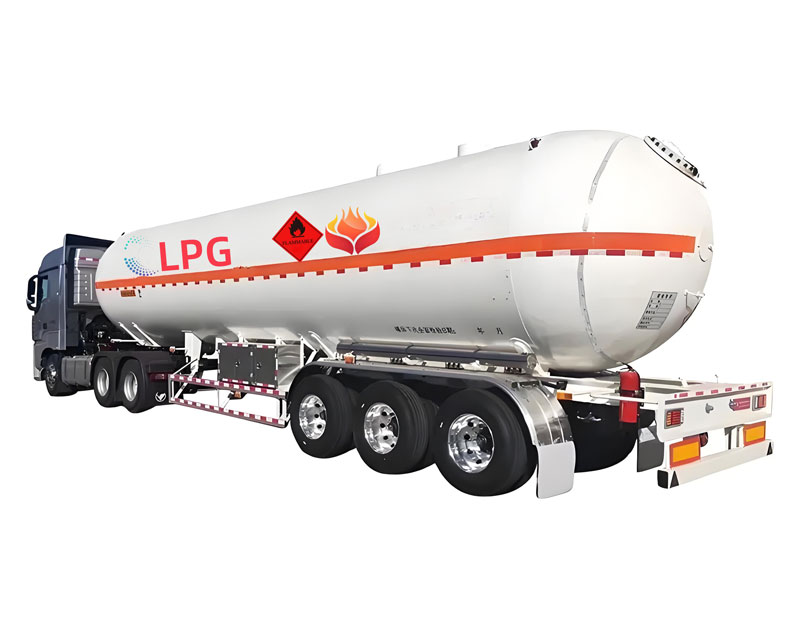
An LPG tank truck, also known as an LPG tanker lorry, is a specialized vehicle designed to transport liquefied petroleum gas safely under pressure. These vehicles are widely used for:
Because LPG is highly flammable and stored under pressure, these vehicles must meet strict safety standards such as ADR, ASME, or DOT regulations depending on the region.
New LPG Tank Truck: Advantages and Disadvantages
Purchasing a new LPG tank truck for sale is often the preferred choice for companies prioritizing reliability, safety compliance, and long-term operation.
| Factor | New LPG Tank Truck | Used LPG Tank Truck |
| Initial Cost | High | Lower |
| Service Life | 15–20 years | 5–10 years |
| Maintenance | Lower early cost | Potentially higher |
| Compliance | Latest standards | May require upgrades |
| Delivery Time | 30–90 days | Immediate |
| Customization | Full customization | Limited |
Advantages of New LPG Tank Trucks
1. Maximum Safety and Compliance
New LPG tanker trucks are manufactured according to the latest international safety standards and regulations. This is particularly important for companies operating across multiple regions.
New trucks often include:
Updated pressure tank technology
Advanced emergency shut-off systems
Modern safety valves and sensors
These features reduce operational risk during LPG gas transport.
2. Longer Service Life
A new LPG tanker lorry typically has a service life of 15–20 years, depending on maintenance and usage.
For companies planning long-term fleet investment, this provides better operational stability.
3. Lower Maintenance in Early Years
Because all components are new, maintenance costs are generally lower during the first several years of operation.
4. Customization Options
Buying new allows businesses to customize:
Tank capacity (5–60 m³)
Chassis brand
Loading systems
Safety equipment
This flexibility helps companies optimize their LPG transport operations.
Used LPG Tank Trucks Disadvantages
1. Higher Maintenance Risk
Used LPG tanker lorries may have hidden wear issues such as:
Tank corrosion
Valve degradation
Pump wear
Structural fatigue
These problems can increase maintenance costs over time.
2. Shorter Remaining Lifespan
Unlike new trucks, used vehicles may only have 5–10 years of usable life depending on their condition.
3. Compliance Challenges
Some older trucks may not meet updated safety or environmental regulations in certain markets.
This is especially important for international LPG gas transport operations.
New vs. Used LPG Tank Trucks: Quick Comparison
| Factor | New LPG Tank Truck | Used LPG Tank Truck |
| Initial Cost | High | Lower |
| Service Life | 15–20 years | 5–10 years |
| Maintenance | Lower early cost | Potentially higher |
| Compliance | Latest standards | May require upgrades |
| Delivery Time | 30–90 days | Immediate |
| Customization | Full customization | Limited
|
When Should You Buy a New LPG Tank Truck?
Buying a new LPG tanker lorry is ideal if:
Your company plans long-term LPG distribution
Safety and compliance are top priorities
You need customized tank capacity
You operate in strict regulatory markets
Energy companies and large transport fleets often prefer new vehicles for reliability and regulatory assurance.
Key Factors to Consider Before Buying an LPG Tank Truck
Regardless of whether you buy new or used, buyers should evaluate several critical factors.
Tank Capacity
Common LPG tanker capacities include:
The correct capacity depends on transport distance, distribution demand, and regional regulations.
Tank Material
Most LPG tanks are made from high-strength carbon steel designed to withstand pressure and temperature variations.
Safety Systems
Essential safety features include:
Choosing an experienced manufacturer ensures:
Why Many Buyers Choose Professional LPG Tank Truck Manufacturers
When investing in an LPG tanker lorry, working with an experienced manufacturer offers several advantages:
Certified pressure tank production
Custom vehicle design
Compliance with global safety standards
Technical support and spare parts
Manufacturers with strong engineering experience can help businesses build reliable fleets for efficient LPG gas transport.
Conclusion
Choosing between a new or used LPG tank truck for sale depends on your operational needs, budget, and long-term business strategy.
New LPG tanker trucks offer superior safety, longer lifespan, and full customization.
Used LPG tanker lorries provide lower upfront costs and faster deployment.
For companies planning long-term LPG distribution operations, investing in a new truck often delivers better long-term value. However, used trucks can still be a practical solution for short-term or budget-constrained projects.
Carefully evaluating tank quality, safety systems, and supplier reliability is essential to ensure safe and efficient LPG gas transport.
FAQ: LPG Tank Trucks
What is the typical capacity of an LPG tank truck?
Most LPG tanker trucks range from 5 m³ to 40 m³, depending on transport requirements and regional regulations.
How long does an LPG tanker lorry last?
With proper maintenance, a new LPG tank truck can operate for 15–20 years.
Are used LPG tank trucks safe?
Used trucks can be safe if they undergo thorough inspection, including tank integrity testing and valve system checks.
How much does an LPG tank truck cost?
The price varies based on capacity, chassis brand, and configuration, but new trucks typically cost significantly more than used models.
 English