Transporting industrial chemicals requires more than selecting a truck with a suitable tank volume. Buyers must also consider the chemical properties of the cargo, tank material, internal lining, compartment design, loading and unloading system, temperature requirements, valve configuration and destination-market regulations.
A properly configured chemical transport vehicle can help reduce corrosion, leakage, contamination and unloading risks. However, one tank design is not suitable for every industrial liquid. Before ordering a vehicle, buyers should clearly define the transported medium, operating temperature, required capacity, loading method and applicable safety standard.
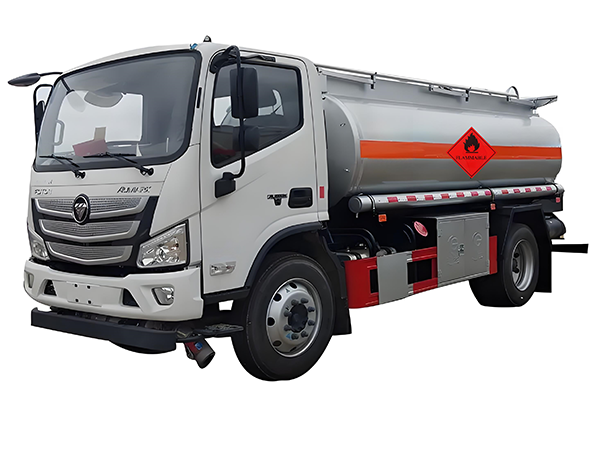
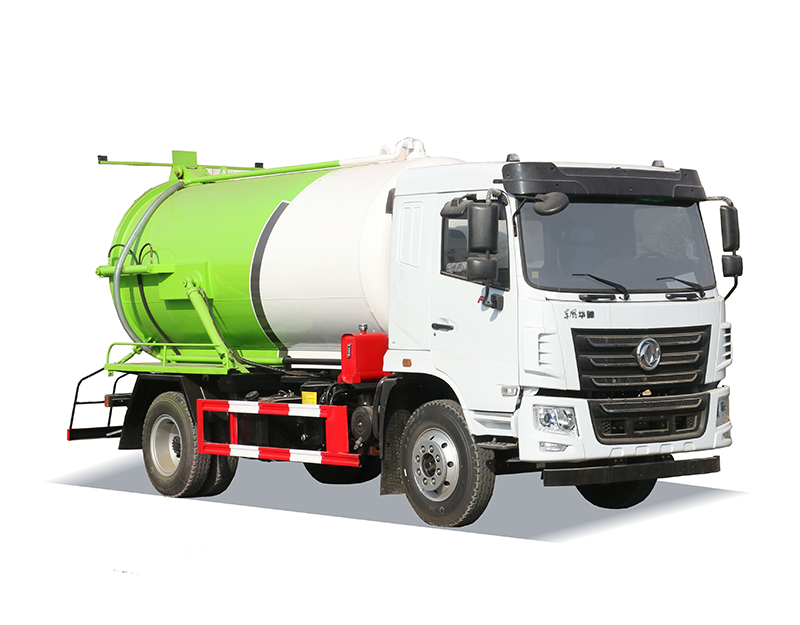
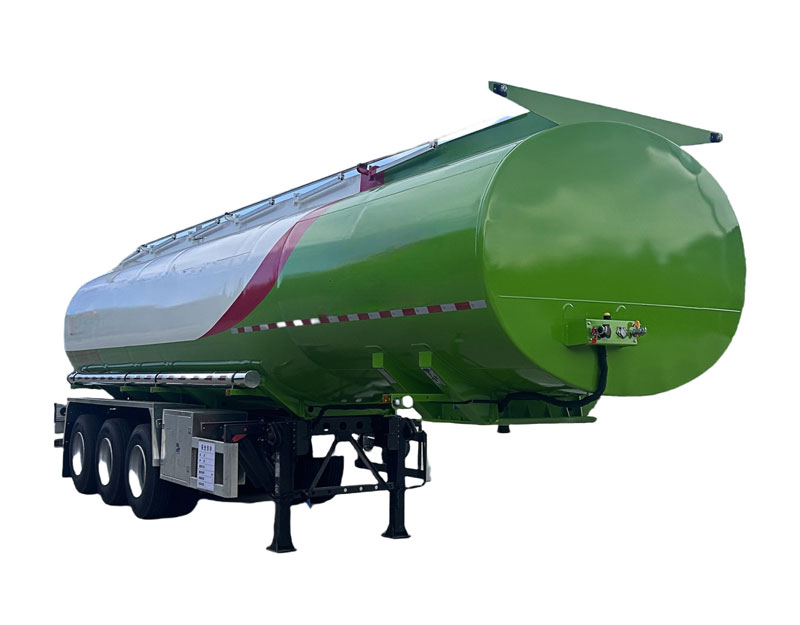
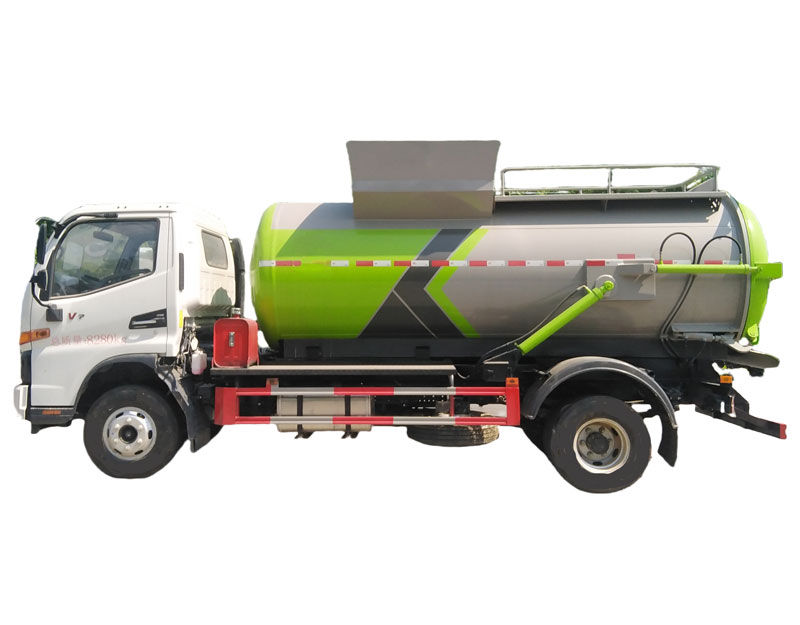
Vehision offers different chemical tank truck configurations for transporting hazardous, corrosive and industrial liquids. Available product examples include vehicles for anhydrous ammonia, liquid asphalt, corrosive substances, ethanol and other chemical cargoes. Tank bodies can be configured with carbon steel, stainless steel or aluminum alloy according to the transported liquid and technical requirements.
What Is a Chemical Tank Truck? Definition for Industrial Liquid Transport
A chemical tank truck is a specialized commercial vehicle designed to transport industrial liquids in a truck-mounted tank. Unlike a standard water tanker or general-purpose liquid truck, a chemical vehicle must be configured according to the physical and chemical properties of its cargo.
The tank body, lining, seals, valves, pipes, pump and unloading connections must all be compatible with the transported liquid. Corrosive liquids may require stainless steel, a corrosion-resistant lining or another specially selected material. Cargo that is affected by temperature may require insulation, heating or cooling equipment.
Vehision’s current product page describes chemical tanker trucks for transporting acids, solvents and other industrial chemicals. These vehicles can be used by chemical plants, logistics companies and industrial facilities that require bulk liquid transportation.
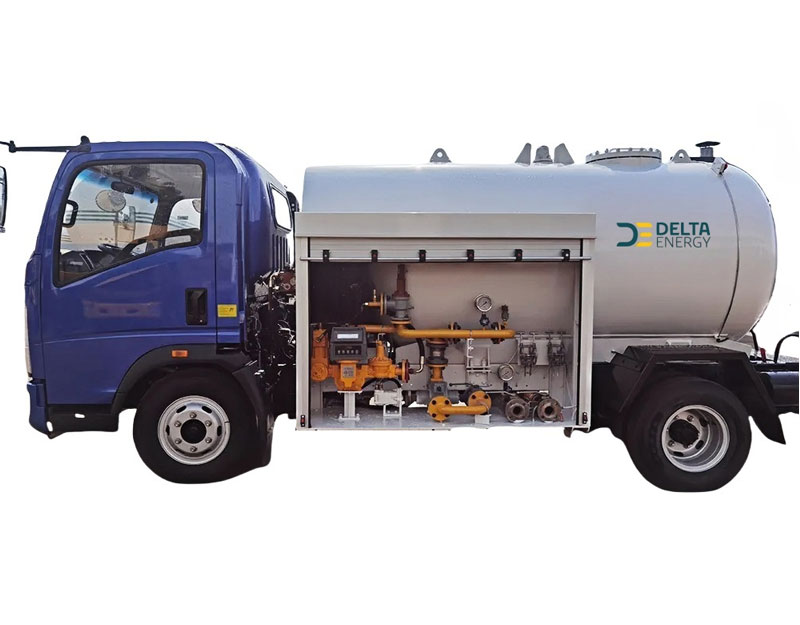
A chemical tanker truck is therefore not simply a storage tank installed on a chassis. It is an integrated transport system that includes the tank body, chassis, pump and piping, safety valves, monitoring equipment and operating controls.
Common Chemicals Transported by Chemical Tank Trucks
Chemical transport requirements vary considerably because different liquids have different corrosion, pressure, temperature and contamination risks.
Vehision currently displays chemical truck models for the following types of cargo:
The presence of these product examples does not mean that the same tank can carry all these substances. Each cargo requires an individual material-compatibility and system review. The tank material, lining, valves, seals, piping and unloading equipment should be selected according to the transported medium.
For example, a tank designed for ethanol may not automatically be suitable for a highly corrosive acid. A liquid asphalt vehicle may require a temperature-control configuration that is unnecessary for another cargo. Anhydrous ammonia also has different containment and operating requirements from atmospheric industrial liquids.
Before requesting a quotation, buyers should provide the exact chemical name, concentration, density, operating temperature and relevant safety information. This helps the manufacturer determine whether the proposed tank material and transport system are suitable.
Chemical Tank Truck Parameter Table: Tank Capacity, Material, Compartments and Pump System
The following table summarizes the main configuration categories identified on the Vehision chemical tank truck page.
| Parameter | Available or Published Information |
|---|
| Product type | Chemical tank truck |
| Tank capacity | Customized according to project requirements |
| Tank material | Carbon steel, stainless steel or aluminum alloy |
| Internal protection | Anti-corrosion lining can be configured |
| Tank compartments | Should be confirmed according to the required cargo-separation arrangement |
| Pump system | Corrosion-resistant pump, piping and loading or unloading connectors |
| Temperature-control system | Insulation, heating or cooling devices can be configured |
| Safety devices | Breathing valve, emergency shut-off valve and overflow protection |
| Internal structure | Anti-surge baffles and reinforced support structures |
| Monitoring equipment | Liquid-level sensor, pressure sensor and static-grounding system |
| Auxiliary equipment | Cleaning port and exhaust-gas recovery unit |
| Chassis brands | Dongfeng, Foton, Sinotruk, FAW, JAC and ISUZU |
| Drive configurations | 4×2, 6×4, 8×4, 4×4, 6×6 and 8×8 |
| Transmission options | FAST, ZF, manual or automated manual transmission |
| Additional equipment | Alarm device, control box, toolbox, discharge hose and lifting guardrail |
Vehision’s general specification table lists tank size as customizable and identifies carbon steel as the standard tank material in that specification section. The wider product description also states that stainless steel and aluminum alloy can be selected according to the transported liquid.
For compartment design, buyers should confirm whether multiple liquids need to be transported separately. The number and arrangement of compartments must be evaluated according to cargo compatibility, unloading requirements and legal payload limits. Different chemicals should not be placed in the same transport system unless the design and operating procedures specifically permit it.
Stainless Steel vs Carbon Steel Chemical Tank Truck: Which Tank Material Fits Your Cargo?
Tank material should be selected according to the cargo rather than price alone.
Carbon steel tank
Carbon steel is commonly considered where the transported medium is compatible with the material or where a suitable internal lining can provide the required protection. Vehision lists carbon steel as a tank material and notes that the tank can be equipped with an internal lining.
A carbon steel tank may be suitable for some industrial liquids, but the buyer must confirm corrosion resistance, lining type and maintenance requirements for the exact cargo.
Stainless steel tank
Stainless steel may be considered for cargoes that require stronger corrosion resistance, higher cleanliness or easier internal cleaning. However, “stainless steel” is not a complete material specification. The appropriate grade still needs to be selected according to the chemical composition, concentration and operating temperature.
The correct choice between stainless steel and carbon steel therefore depends on:
Chemical composition and concentration;
Corrosion characteristics;
Cargo temperature;
Required cleanliness;
Internal-lining compatibility;
Cleaning process;
Vehicle service life;
Maintenance conditions;
Destination-market regulations.
Vehision advises buyers to consider the properties of the transported liquid when choosing between carbon steel, stainless steel and aluminum alloy. Appropriate sealing systems, valves and leak-resistant designs should also be selected for the specific chemical.
Key Safety Features Buyers Should Check Before Purchasing a Chemical Tank Truck
A chemical truck should be evaluated as a complete safety system rather than only as a tank and chassis.
Emergency shut-off valves
Emergency shut-off valves can help isolate the tank or discharge system during abnormal conditions. Buyers should confirm valve position, operating method and compatibility with the transported liquid.
Breathing and pressure-control devices
The Vehision page lists a breathing valve and vacuum pressure-reducing valve among the available configurations. These devices support pressure management during loading, unloading and temperature changes.
Overflow protection
Overflow-protection equipment helps reduce the risk of overfilling during loading. The system should be integrated with the operating procedure and loading equipment.
Anti-surge baffles
Internal anti-surge baffles help control liquid movement inside the tank during acceleration, braking and turning. Their design should match the tank structure and compartment arrangement.
Liquid-level and pressure monitoring
Liquid-level and pressure sensors allow operators to monitor the condition of the cargo and tank system. Alarm devices and control boxes can also be included in the vehicle configuration.
Static grounding
Static-grounding equipment is especially important when handling flammable or static-sensitive liquids. The grounding arrangement should be checked before loading and unloading operations.
Corrosion-resistant pump and piping
The pump, pipes, hoses, seals and connectors must be compatible with the transported chemical. Installing a corrosion-resistant tank while using unsuitable pumps or seals would still create a safety and maintenance risk.
Temperature-control equipment
Some chemical cargoes may require insulation, heating or cooling devices. Buyers should provide the required loading, transport and unloading temperatures so that the system can be configured correctly.
All final safety equipment, tank construction and operating procedures should comply with the regulations and transport requirements of the destination market.
FAQ: Questions Buyers Ask About Chemical Tank Trucks
What information is required for a chemical tank truck quotation?
Provide the chemical name, concentration, density, operating temperature, required tank capacity, number of compartments, loading and unloading method, destination country and applicable transport standard.
Can one chemical tanker truck transport different liquids?
A multi-compartment tank may be designed for separate cargoes, but material compatibility, contamination risk and legal requirements must be evaluated. Buyers should not assume that different chemicals can be transported safely in the same tank.
Which tank materials are available?
Vehision lists carbon steel, stainless steel and aluminum alloy as possible tank materials. Anti-corrosion lining can also be configured according to the cargo.
Can the tank capacity be customized?
Yes. The current product page lists tank size as customizable. Final capacity will also depend on the chassis, cargo density, axle-load requirements and local regulations.
Does the vehicle include a chemical-transfer pump?
The product page lists a corrosion-resistant pump, piping and loading or unloading connectors as part of the available system configuration.
Which chassis brands can be selected?
Published options include Dongfeng, Foton, Sinotruk, FAW, JAC and ISUZU. Available chassis and engine combinations may vary according to the destination market and required vehicle configuration.
How should buyers choose between carbon steel and stainless steel?
The decision should be based on the cargo’s corrosion characteristics, concentration, operating temperature, cleanliness requirements, lining compatibility and local regulations. The final material should be technically reviewed before production.
Selecting a chemical tank truck requires coordination between cargo requirements, tank engineering, chassis selection and safety design. Buyers should begin with the exact transported medium and operating conditions, then confirm tank material, lining, pump, valves, compartments and monitoring equipment. A clearly defined technical specification can help the supplier configure a safer and more suitable vehicle for the intended industrial transport project.
 English