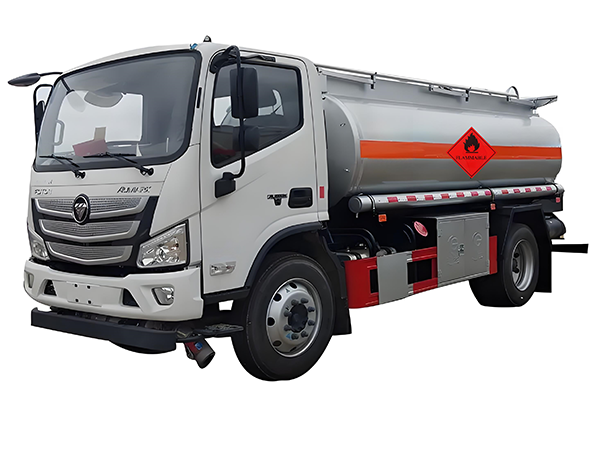
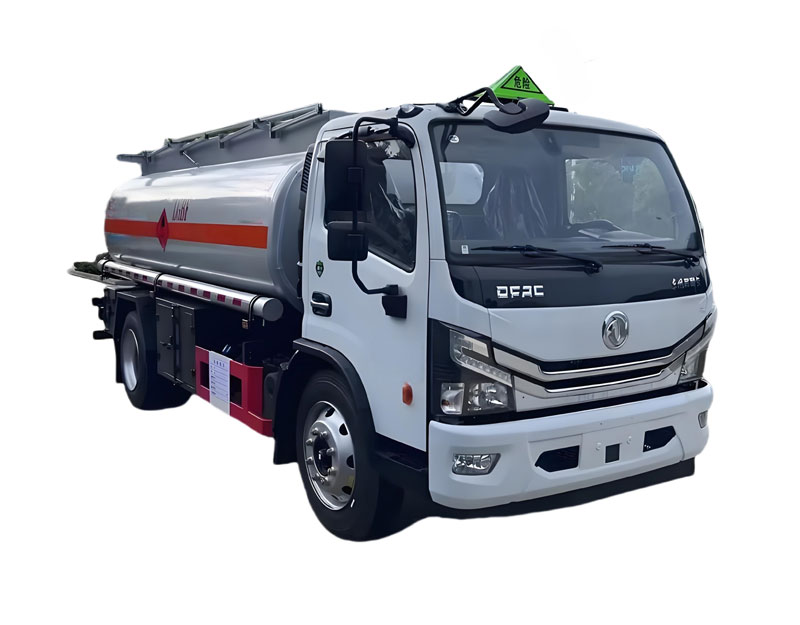
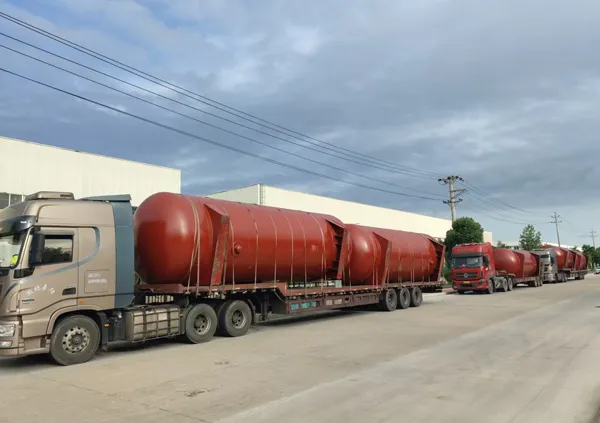
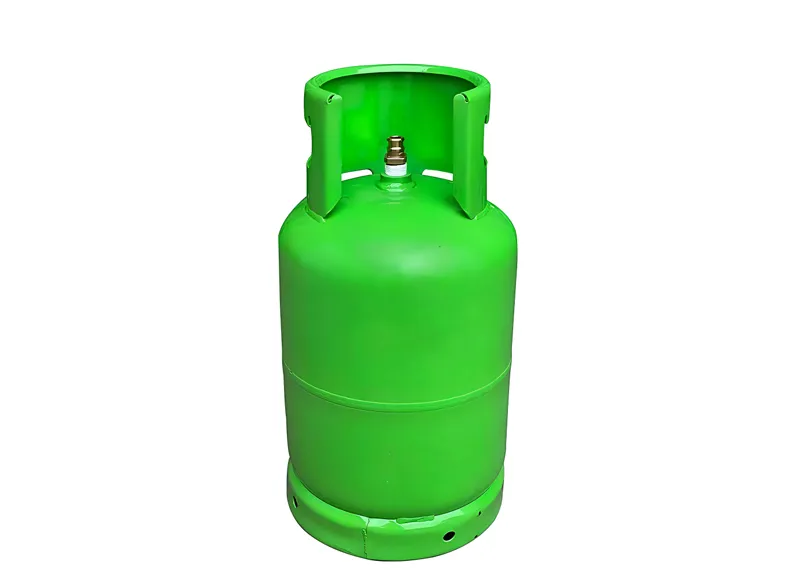
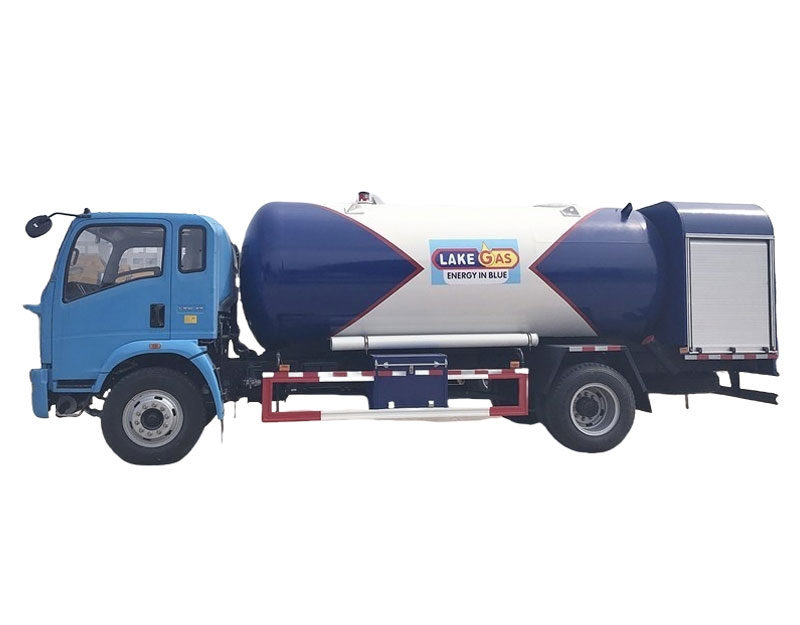
The global LPG trucking industry is expanding rapidly as liquefied petroleum gas (LPG) becomes a widely used alternative fuel for residential, industrial, and transportation applications. With rising demand for cleaner energy and growing LPG distribution networks, the market for LPG tank trucks and specialized logistics equipment is experiencing steady growth.
For logistics operators, energy companies, and fleet managers evaluating LPG tank truck for sale options, understanding the long-term market outlook is essential. Market trends, regulatory policies, and infrastructure investments are shaping the future of LPG transportation worldwide.
This article provides strategic insights into the LPG tank truck market, including growth drivers, industry challenges, technological trends, and opportunities for fleet operators and buyers.
Global LPG Tank Truck Market Overview
The LPG tanker transportation market has shown consistent growth over the past decade due to increasing global energy demand. Market research indicates that the LPG tanker industry could grow from about USD 4.86 billion in 2024 to approximately USD 7.67 billion by 2035, reflecting steady expansion driven by global LPG consumption.
Similarly, the LPG truck segment itself is expected to grow significantly, reaching around USD 4.4 billion by 2032, supported by increasing adoption of LPG as a lower-emission fuel compared with diesel.
Several key factors are contributing to this growth:
Expansion of LPG infrastructure
Increasing demand for clean energy
Growth of residential and industrial LPG consumption
Development of large-scale LPG distribution networks
As a result, demand for LPG tank trucks for sale continues to rise among distributors and logistics companies worldwide.
Key Growth Drivers of the LPG Trucking Market
1. Growing Demand for Cleaner Energy
Governments worldwide are encouraging the use of cleaner fuels to reduce carbon emissions. LPG is considered a relatively low-emission alternative to traditional fuels such as coal and diesel.
Because LPG burns cleaner and produces fewer pollutants, it is widely used for:
The transition toward cleaner fuels is one of the strongest long-term drivers of the LPG trucking industry.
2. Expanding LPG Distribution Infrastructure
Rapid urbanization and industrialization in emerging markets are increasing the need for efficient LPG logistics networks.
Many countries are investing in:
As these infrastructures expand, demand for LPG tank trucks increases to support last-mile fuel delivery.
3. Growth of Industrial and Petrochemical Applications
Industrial sectors consume large volumes of LPG for heating, manufacturing, and chemical processing.
According to industry data, industrial usage accounts for a significant share of LPG demand, alongside residential and transportation applications.
This trend increases the need for high-capacity tanker trucks capable of transporting LPG safely over long distances.
Regional Outlook of the LPG Tank Truck Market
The demand for LPG transport equipment varies significantly by region.
Asia-Pacific
Asia-Pacific currently dominates the LPG logistics market due to:
Countries such as India, China, and Indonesia are major consumers of LPG, creating strong demand for LPG trucking fleets.
North America
North America is another key market driven by:
A significant portion of LPG transportation in the region supports industrial and export activities.
Middle East & Africa
The Middle East is a major LPG production hub, while Africa represents a growing consumption market. Expansion of LPG distribution networks is increasing the demand for specialized LPG tank trucks for sale in these regions.
Emerging Technology Trends in LPG Tank Trucks
The LPG tanker vehicle industry is undergoing technological transformation aimed at improving safety, efficiency, and fleet management.
Smart Fleet Monitoring
Digital monitoring systems are increasingly integrated into LPG tank trucks, enabling operators to track:
Tank pressure
Fuel temperature
Vehicle location
Safety valve status
These technologies help improve operational safety and logistics efficiency.
Lightweight Tank Materials
Manufacturers are exploring advanced steel and composite materials to reduce vehicle weight while maintaining pressure resistance.
Benefits include:
Advanced Safety Systems
Because LPG transport involves hazardous materials, modern tanker trucks incorporate multiple safety features:
These innovations help reduce accident risks in LPG trucking operations.
Strategic Opportunities for LPG Truck Fleet Operators
Companies investing in LPG tank trucks for sale should consider several strategic opportunities emerging in the market.
Fleet Modernization
Many older LPG tank trucks are being replaced with newer vehicles that meet updated safety and environmental regulations.
Fleet modernization improves:
Transport safety
operational efficiency
regulatory compliance
Expansion of LPG Distribution Networks
As LPG consumption increases, distributors are expanding logistics networks into new regions, particularly in developing countries.
This expansion creates demand for additional tanker trucks to support regional delivery operations.
Integration of Logistics Technologies
Digital logistics platforms and telematics systems are helping fleet operators optimize delivery routes, monitor tanker conditions, and reduce operating costs.
Companies that adopt these technologies gain a competitive advantage in the LPG trucking market.
Strategic Insights for Buyers of LPG Tank Trucks
For companies evaluating LPG tank trucks for sale, several strategic considerations can help maximize long-term value.
Choose Certified Manufacturers
Ensure the tanker truck meets international pressure vessel and hazardous transport standards.
Select Appropriate Tank Capacity
Typical LPG tank truck capacities include:
5–10 CBM for urban delivery
15–25 CBM for regional transport
30–40 CBM for bulk LPG distribution
Prioritize Safety and Technology
Modern safety systems and digital fleet management tools significantly improve operational reliability.
Future Outlook of the LPG Tank Truck Industry
The long-term outlook for the LPG tanker truck industry remains positive. Increasing demand for cleaner energy, expanding LPG distribution infrastructure, and technological innovation are expected to drive steady market growth.
With global LPG demand continuing to rise, the need for specialized LPG trucking fleets will remain strong across residential, industrial, and commercial energy markets.
For distributors and logistics operators, investing in modern LPG tank trucks for sale represents a strategic opportunity to support efficient and safe LPG transport in the coming decade.
 English