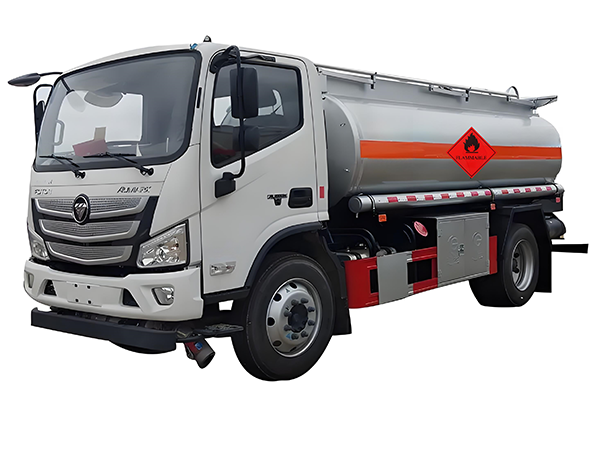
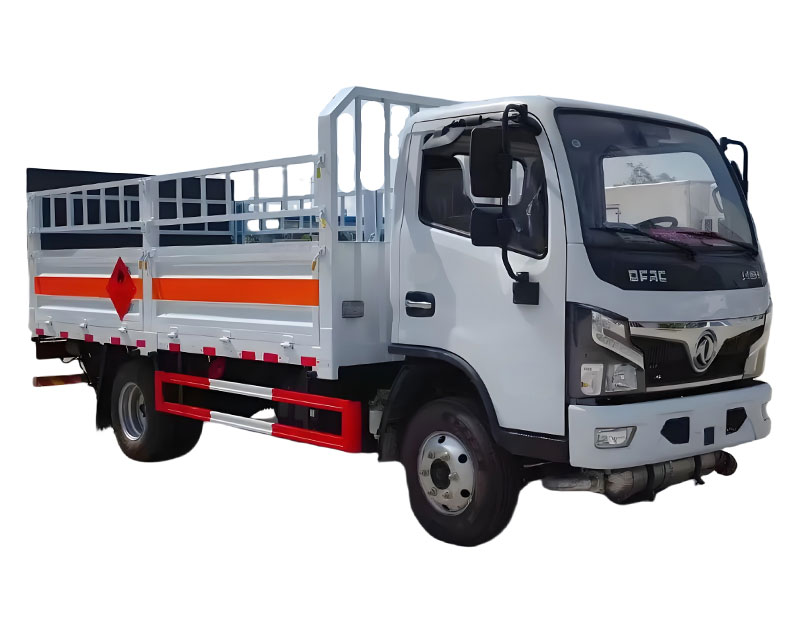
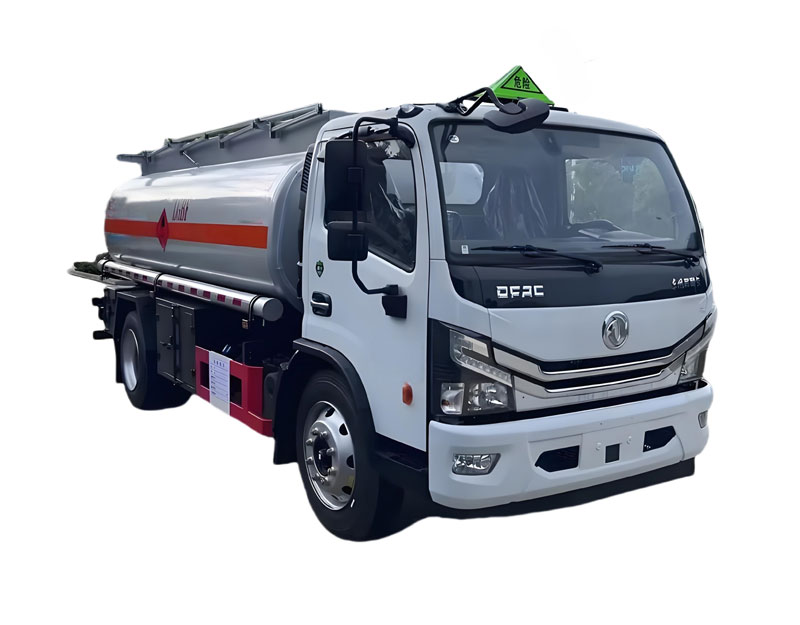
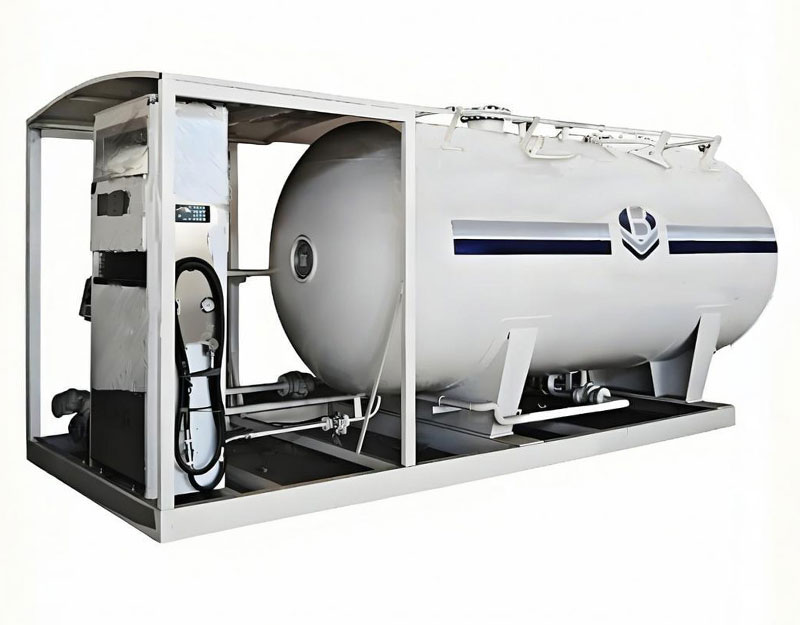
When purchasing LPG tank trucks for gas distribution or energy logistics, certifications are one of the most critical factors to consider. LPG is a pressurized and flammable fuel, meaning every LPG delivery truck for sale must comply with strict international safety standards.
For fleet operators, LPG distributors, and energy companies, understanding these certifications helps ensure:
This guide explains the most important LPG tank truck certifications, the standards used in global markets, and how buyers can choose certified LPG delivery trucks that meet industry requirements.
What Certifications Do LPG Tank Trucks Need?
LPG tank trucks are regulated because they transport dangerous goods under pressure. Certification ensures that the tanker design, manufacturing process, and safety systems meet international transport regulations.
The most common certifications for LPG tank trucks include:
Certification | Region | Purpose |
ADR | Europe | Road transport safety for dangerous goods |
ASME | Global | Pressure vessel design standard |
DOT | United States | Transportation safety regulation |
ISO 9001 | Global | Manufacturing quality management |
CE / TPED | Europe | Pressure equipment compliance |
These certifications verify that LPG tanker trucks can safely transport liquefied petroleum gas under various operating conditions.
1. ADR Certification for LPG Tank Trucks
ADR stands for European Agreement Concerning the International Carriage of Dangerous Goods by Road. It regulates how hazardous materials like LPG are transported across Europe.
ADR certification requires strict compliance with rules covering:
Tank design
Material strength
Pressure resistance
Safety valves
Vehicle labeling
Inspection and testing
ADR-compliant LPG tanker trucks must undergo multiple inspections such as radiographic testing, ultrasonic thickness testing, and hydrostatic pressure tests to ensure structural safety.
For companies involved in cross-border LPG logistics, ADR certification is essential.
2. ASME Certification for LPG Pressure Tanks
Another key certification for LPG tank trucks is the ASME standard.
ASME stands for American Society of Mechanical Engineers, which develops widely accepted engineering standards for pressure vessels used in industrial equipment.
For LPG tank trucks, ASME certification focuses on:
Many LPG tanker manufacturers design tanks according to ASME Boiler and Pressure Vessel Code (BPVC) to ensure durability and safety in pressurized gas transport.
ASME-certified tanks are widely accepted in international markets.
3. DOT Certification for LPG Transport Vehicles
In the United States, LPG tanker trucks must comply with regulations issued by the Department of Transportation (DOT).
DOT certification focuses on:
Vehicles transporting pressurized gas must follow strict regulations to prevent leaks, explosions, or transport accidents.
DOT-certified LPG delivery trucks are typically used for:
4. EN 12493 Standard for LPG Tank Design
The EN 12493 standard specifies design and manufacturing requirements for welded steel tanks used in LPG road tankers. It defines materials, structural design, and testing requirements for pressure vessels used in LPG transport.
This standard ensures that LPG tanks:
Use high-strength steel
Maintain pressure stability
Meet safety requirements during road transport
Many European LPG tank trucks are built according to EN 12493.
5. Inspection and Testing Standards for LPG Tankers
Beyond manufacturing certifications, LPG tank trucks must undergo periodic inspections to maintain safety compliance.
Key inspection standards include:
These inspections verify:
Regular inspection ensures that LPG tanker trucks remain safe throughout their operational lifespan.
Popular LPG Tank Truck Models for Gas Distribution
Different LPG transport operations require different tank capacities. Below are three commonly used LPG tanker truck configurations used for LPG distribution.
5.5CBM LPG Bobtail Tank Truck
The 5.5CBM LPG Bobtail Tank Truck(/products/5.5cbm-lpg-bobtail-tank-truck.html) is designed for urban and regional LPG distribution.
Typical applications include:
Residential LPG delivery
Small gas station supply
Cylinder filling plants
Key advantages:
This type of LPG delivery truck is widely used by gas distributors handling short-distance LPG transport.
15CBM LPG Tank Truck
The 15CBM LPG Tank Truck(/products/15cbm-lpg-tank-truck.html) is a medium-capacity vehicle suitable for regional LPG distribution.
Common uses include:
Advantages:
Balanced capacity and mobility
Efficient for regional LPG logistics
Suitable for both urban and intercity transport
For many LPG distributors, the 15CBM LPG tank truck provides the optimal balance between delivery volume and operating flexibility.
37.2CBM Truck Mounted LPG Tanker
For large-scale LPG logistics operations, the 37.2CBM Truck Mounted LPG Tanker(/products/37.2cbm-truck-mounted-lpg-tanker.html) offers significantly higher transport capacity.
These high-capacity LPG tank trucks are typically used for:
Benefits include:
Large LPG tanker trucks like the 37.2CBM model are commonly used by energy companies and industrial gas suppliers.
How to Choose Certified LPG Delivery Trucks?
When evaluating LPG delivery trucks for sale, buyers should consider the following factors:
Certification Compliance
Ensure the vehicle meets the regulatory standards required in your country or region.
Tank Quality
Choose pressure tanks manufactured with certified materials and tested welding processes.
Safety Systems
Certified LPG tanker trucks should include:
Working with an experienced LPG tanker manufacturer ensures better engineering, reliable production processes, and long-term technical support.
Why Certification Matters for LPG Tank Trucks
Certification is not only about regulatory compliance — it directly affects operational safety.
Properly certified LPG tank trucks provide:
Higher transport safety
Compliance with international transport regulations
For companies investing in LPG delivery trucks for sale, choosing certified vehicles ensures safe and efficient LPG distribution.
Conclusion
LPG transport requires specialized vehicles that meet strict safety and engineering standards. Certifications such as ADR, ASME, DOT, and EN 12493 ensure that LPG tank trucks are designed, manufactured, and inspected according to international regulations.
Whether operating small 5.5CBM Bobtail LPG Truck, mid-sized 15CBM LPG Tank Trucks, or high-capacity 37.2CBM Truck Mounted LPG Tankers, businesses should prioritize certified vehicles to ensure safe and compliant LPG transport.
Understanding these certifications helps buyers select reliable LPG delivery trucks for sale that meet both safety requirements and operational needs.
 English