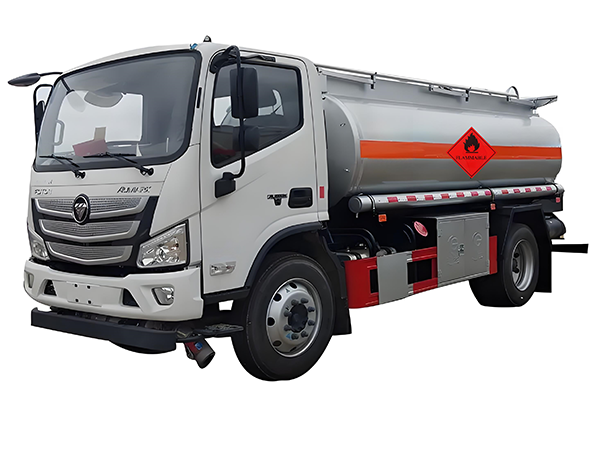
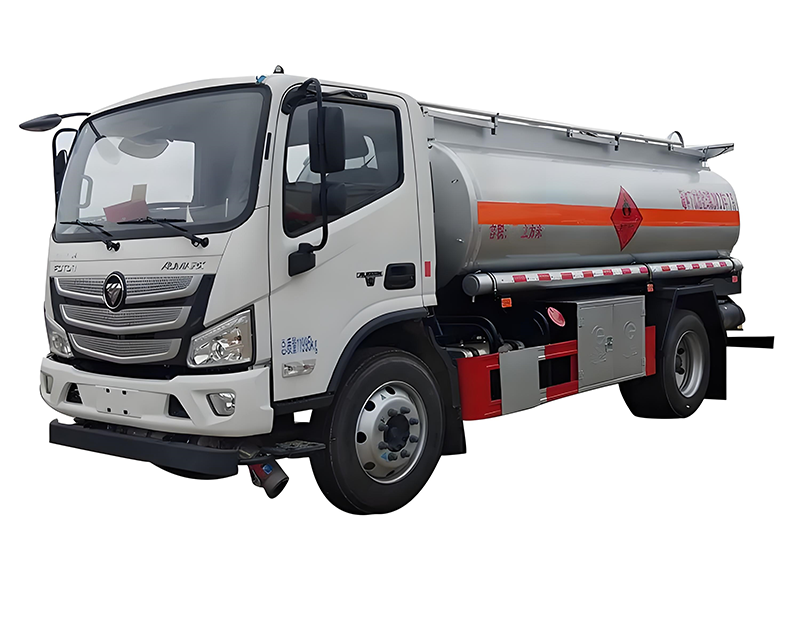
Choosing the right fuel tanker truck in 2026 is not only about tank volume. For fuel distributors, gas station suppliers, oil companies, mining projects, construction fleets, and industrial operators, the better decision starts with three questions: what fuel will be transported, how much payload is needed per trip, and what chassis and tank configuration can support your route conditions. A well-matched fuel tanker truck makes daily fuel transport easier to manage.
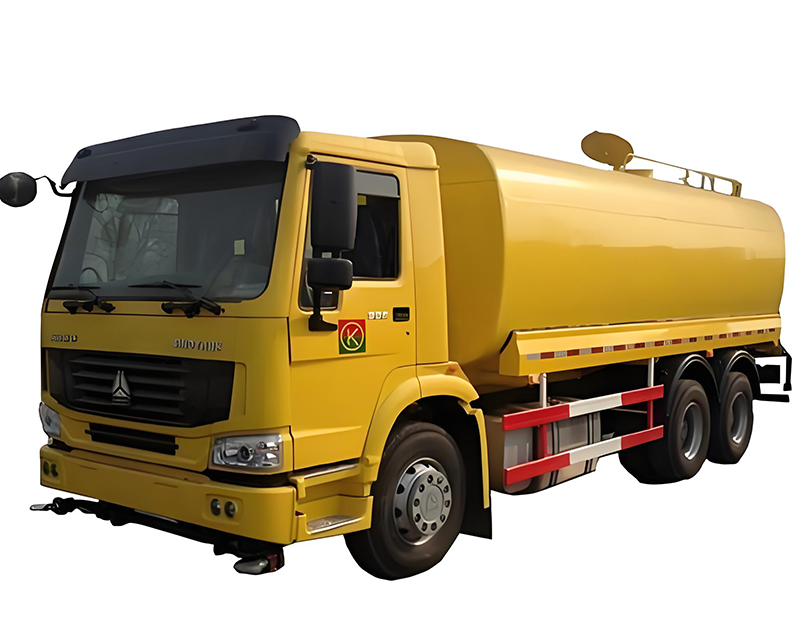
A fuel tanker truck is designed for gasoline, diesel, crude oil, fuel oil, aviation fuel, and other petroleum products. Vehision fuel tanker trucks are available with tank capacities from 3000L to 30000L, materials such as carbon steel, stainless steel, and aluminum alloy, and chassis options covering 4X2, 6X4, 8X4, 4X4, 6X6, and 8X8 drive types.
Start With Fuel Type and Delivery Route
The first step is to define the actual fuel and route. A city fuel delivery truck, a long-distance petroleum tanker, and a site-support diesel tanker may all carry fuel, but they do not need the same chassis, tank size, or compartment layout. Gasoline and diesel distribution often requires anti-static design, reliable valves, manholes, emergency cut-off systems, and separated discharge lines.
For short-distance urban routes, buyers usually care about maneuverability, axle load, road access, and frequent unloading. For regional or long-distance fuel transport, capacity, vehicle stability, compartment planning, and fuel separation become more important. If the vehicle serves multiple customers or fuel grades in one trip, a multi-compartment tank can help separate products.
| Operation Type | Typical Need | Recommended Focus |
|---|
| Gas station delivery | Diesel or gasoline distribution | Compartments, unloading efficiency, safety valves |
| Industrial fuel supply | Fuel delivery to factories or depots | Capacity, pump system, chassis reliability |
| Remote site support | Diesel supply for projects or equipment | Drive type, road adaptability, hose configuration |
| Long-distance transport | Bulk petroleum movement | Tank strength, stability, payload planning |
Choose the Right Capacity for Payload and Route Efficiency
Tank capacity should match delivery volume, chassis payload, legal road limits, and unloading frequency. Vehision offers fuel tanker trucks from 3000L to 30000L, which can cover small distribution vehicles, medium fuel delivery trucks, and larger petroleum tanker trucks.
A smaller tanker may be practical for cities, narrow roads, stations with limited access, or customers that require more frequent delivery. A medium-capacity tanker can balance payload, maneuverability, and operating cost for regional fuel distribution. A larger fuel tanker truck is better suited for bulk delivery routes where each trip needs to move more fuel and the road conditions can support a heavier vehicle.
Do not select capacity only by the maximum available volume. A truck that is too large may create access problems or loading restrictions, while a truck that is too small may increase trip frequency. Review average delivery volume, peak demand, route distance, unloading points, and chassis payload together.
Compare Carbon Steel, Stainless Steel and Aluminum Alloy Tanks
Tank material affects weight, durability, corrosion resistance, payload, and total vehicle cost. Carbon steel is commonly selected for strength and cost control. It suits many standard fuel transport applications when cargo and environment are compatible.
Stainless steel offers stronger corrosion resistance and may be considered when the medium or environment demands better durability. Aluminum alloy is valued for lighter weight, which can improve payload efficiency under certain chassis and road conditions.
The best material depends on fuel type, expected service life, road environment, maintenance capability, and budget. When comparing different tank truck options, review material selection together with compartment design, baffles, welding quality, manholes, and valve systems.
| Tank Material | Main Advantage | Suitable Buyer Concern |
|---|
| Carbon Steel | Strong structure and controlled cost | Standard fuel transport and budget planning |
| Stainless Steel | Better corrosion resistance | Durability, cleaning needs, demanding environments |
| Aluminum Alloy | Lighter tank body | Payload efficiency and weight-sensitive routes |
Match Chassis, Drive Type and Safety Configuration to Fleet Needs
A fuel tanker truck should fit the fleet's road conditions and operating model. Vehision fuel tanker trucks can be configured with different chassis brands and drive types, including 4X2, 6X4, 8X4, 4X4, 6X6, and 8X8. For paved roads and urban delivery, a standard road chassis may be enough. For mining areas, oilfield support, construction zones, or rough roads, stronger drive capability may be needed.
Safety configuration should also be checked early. Important items include European standard manholes with pressure relief valves, safety valves, aluminum alloy ball discharge valves, emergency cut-off devices, oil pumps, fire extinguishers, climbing ladders, handrails, tool boxes, and oil hose configuration.
For buyers upgrading a fuel distribution fleet, consistency also matters. Similar chassis, tank layouts, pump systems, and valve positions can simplify driver training, spare parts, and maintenance planning.
FAQ
What capacity fuel tanker truck should I choose?
Choose capacity based on delivery volume, route distance, road limits, unloading frequency, and chassis payload. Vehision fuel tanker trucks cover 3000L to 30000L for city delivery, regional distribution, or larger bulk transport.
Which tank material is better for a fuel tanker truck?
Carbon steel is often chosen for strength and cost control, stainless steel for corrosion resistance, and aluminum alloy for lighter weight. The right choice depends on fuel type, environment, payload target, and budget.
Can one fuel tanker truck carry diesel and gasoline?
Yes, if the vehicle is designed with suitable multi-compartment separation, dedicated discharge ports, valves, and pipelines. Buyers should confirm the compartment layout before ordering.
Conclusion
The right fuel tanker truck should match fuel type, route conditions, tank capacity, material selection, chassis drive type, and fleet management needs. For 2026 purchasing plans, buyers should avoid selecting by capacity alone and instead evaluate the complete working scenario.
Need help configuring a fuel tanker truck for gasoline, diesel, crude oil, or industrial fuel transport? Share your required capacity, fuel type, road conditions, and unloading method with Vehision to get a practical recommendation for your fleet. You can also contact Vehision for project-specific quotation support.
 English