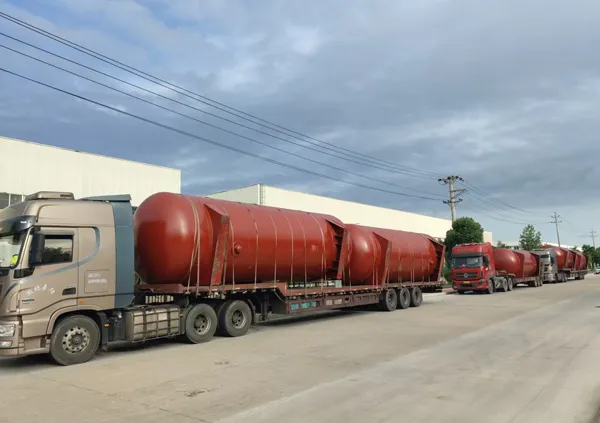
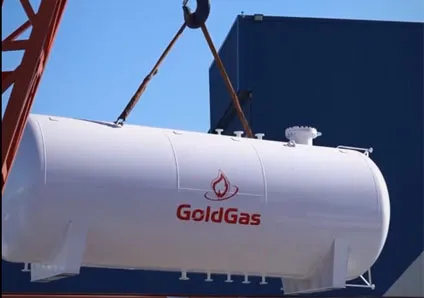
For companies transporting fuel, chemical liquids, LPG, liquid ammonia, liquid chlorine and other liquefied gases, choosing the right ISO tank container is not only about capacity. Buyers also need to consider tank material, cargo medium, pressure requirements, loading method, safety devices and container size. A properly selected ISO tank can support both storage and transportation, making it suitable for cross-border logistics, energy distribution, chemical supply chains and industrial gas projects.
Vehision provides customized ISO tank container solutions for fuel, chemical liquids and LPG. Its product range includes 40FT Fuel ISO Tank Container, 40FT Liquid Ammonia ISO Tank Container, 20FT Liquid Chlorine ISO Tank Container, 20FT LPG ISO Container and 40FT LPG ISO Tank Container. For buyers planning a gas, chemical or fuel transportation project, the key is to match the cargo medium with the right tank structure instead of choosing only by container length.
What Is an ISO Tank Container for Liquefied Gas and Hazardous Chemical Transport?
An ISO tank container is a tank body installed inside an ISO container frame. It is designed for liquid storage and transportation while keeping the external container size compatible with standard logistics handling systems. Compared with a conventional road tanker, an ISO tank is easier to transfer between road, rail and sea transportation, which makes it useful for long-distance and multimodal liquid cargo movement.
For liquefied gas and hazardous chemical transport, the tank structure must be customized according to the cargo. Liquid chlorine, liquid ammonia, LPG and fuel products have different requirements for pressure, corrosion resistance, loading ports, discharge systems, valves and safety accessories. Vehision ISO tank containers use carbon steel tank materials, and the tank structure can be customized based on different media and project requirements.
Common Cargo Types: Liquid Chlorine, Liquid Ammonia, LPG and Fuel
Different cargo types require different ISO tank designs. A liquid chlorine ISO tank container should focus on sealing performance, discharge control and safety valve configuration because liquid chlorine is a hazardous chemical. A liquid ammonia ISO tank container needs to consider pressure, corrosion control and proper loading/discharge systems. For LPG transport, an ISO gas tank should be designed for pressurized liquefied petroleum gas storage and transfer.
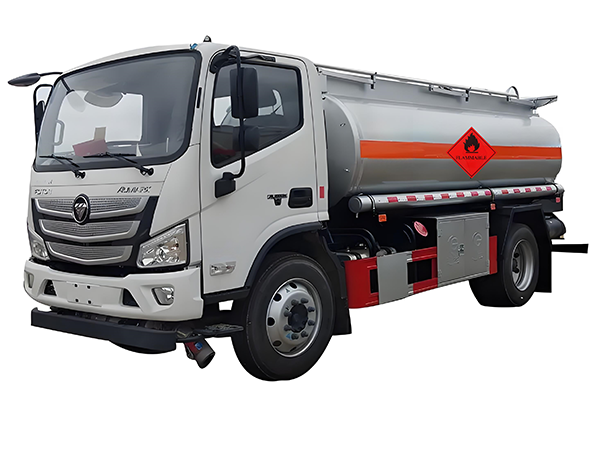
Fuel projects may use an ISO fuel tank for diesel, gasoline or similar liquid fuels, especially when buyers need containerized storage and transport instead of only truck-mounted tanks. For road-based fuel delivery, buyers can also compare ISO tank containers with Vehision fuel tanker truck solutions. If the project is mainly for LPG distribution by vehicle, Vehision also provides LPG tank trucks for propane and LPG road transport.
ISO Tank Container Parameter Table: Capacity, Material, Frame Size and Safety Devices
| Parameter | Buyer Consideration |
|---|
| Container Size | Choose 20FT, 40FT or 45HQ/HC according to cargo volume, transport route and loading site conditions. |
| Tank Capacity | Confirm the required capacity according to cargo type, filling ratio, project frequency and transport distance. |
| Tank Material | Match tank material with fuel, chemical liquid, LPG, liquid ammonia or liquid chlorine requirements. |
| Tank Lining | Useful when the transported medium requires additional internal protection. |
| Ports and Valves | Check manhole, feed port, discharge port and breathing valve based on filling and unloading methods. |
| Monitoring Devices | Level gauge helps operators monitor liquid volume during storage and operation. |
| Discharge System | Discharge hose and outlet design should fit site unloading requirements. |
Liquid Chlorine ISO Tank Container vs Liquid Ammonia ISO Tank Container
Liquid chlorine and liquid ammonia are both hazardous cargoes, but the design focus is not exactly the same. A liquid chlorine ISO tank container should emphasize leak prevention, sealing quality, controlled discharge and compatibility with the chemical medium. For liquid ammonia, buyers should pay attention to pressure resistance, valve configuration, safety relief devices and operation procedures.
When comparing these two tank types, buyers should not assume that one chemical tank can be used for another medium without engineering confirmation. The tank body, lining, valve system and discharge structure should be reviewed according to the actual cargo. This is why customized tank structure is important for chemical ISO tank container projects.
LPG ISO Tank Container vs LPG Tank Truck: Which Solution Fits Your Gas Distribution Project?
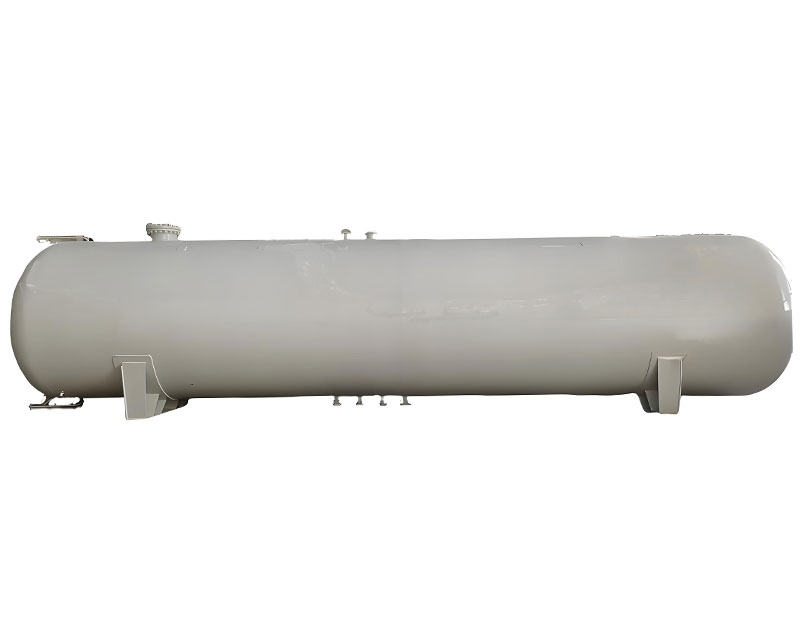
Both LPG ISO Tank Containers and LPG tank trucks are used for liquefied petroleum gas storage and transportation, but they are designed for different logistics models. An LPG ISO Tank Container is more suitable for containerized, long-distance and multimodal transport, especially when the project involves sea freight, rail transport, cross-border logistics or temporary LPG storage at the destination site.
An LPG tank truck is more suitable for road-based gas delivery and local distribution. It can transport LPG directly from a storage station to industrial users, filling stations, commercial facilities or regional distributors. For buyers who need flexible delivery routes, faster local response and direct road transportation, LPG tank trucks can be a more practical option.
| Comparison Item | LPG ISO Tank Container | LPG Tank Truck |
|---|
| Main Use | Containerized LPG storage and transportation | Road-based LPG delivery and distribution |
| Transport Mode | Road, rail and sea multimodal transport | Mainly road transport |
| Suitable Projects | Cross-border LPG transport, sea freight, temporary storage, long-distance logistics | Local gas delivery, regional distribution, LPG station supply |
| Mobility | Easy to transfer between different logistics systems | Flexible for direct delivery to multiple destinations |
| Loading Scenario | Suitable for ports, terminals, depots and industrial projects | Suitable for gas stations, factories, commercial users and distributors |
| Buyer Focus | Container size, tank capacity, pressure rating, safety valves, logistics compatibility | Tank volume, chassis, pump system, metering system, delivery route and road regulations |
For international LPG projects, an ISO tank container is often preferred when buyers need standardized container handling and multimodal transport. For domestic or regional gas distribution, an LPG tank truck may provide better flexibility and delivery efficiency. In many projects, buyers may use both solutions together: ISO tank containers for long-distance LPG transport and LPG tank trucks for final delivery to end users.
Safety Features Buyers Should Check Before Purchasing an ISO Tank Container
Safety is the most important factor when purchasing an ISO tank container for liquefied gas, chemical liquid or fuel. Buyers should check whether the tank has a suitable manhole, feed port, discharge port, breathing valve, level gauge and discharge hose. For hazardous chemicals and pressurized cargo, valve quality, sealing performance and pressure resistance should be reviewed carefully before ordering.
Manufacturing quality also affects long-term performance. Vehision highlights high-strength carbon steel plates, laser cutting, large plate rolling and robotic automatic welding for tank body production. These processes help improve structural integrity, safety stability and pressure resistance durability. For B2B buyers, it is also important to confirm local compliance requirements, transport regulations and inspection documents before shipment.
For buyers who are planning a broader liquid transport fleet, Vehision also provides different tank truck options for fuel, chemical liquid, water and other transport applications. If the project focuses on LPG storage, transportation and distribution, buyers can further review the complete LPG solution to match ISO tank containers, LPG tank trucks and related gas equipment with the actual project scenario.
FAQ: Questions Buyers Ask Before Choosing an ISO Tank Container Supplier
Can the same ISO tank container carry liquid chlorine and liquid ammonia?
Not necessarily. Different chemicals have different corrosion, pressure and safety requirements. Buyers should confirm the medium with the supplier before choosing a tank structure.
Should I choose a 20FT or 40FT ISO tank container?
A 20FT tank may be more suitable for limited sites or smaller cargo volumes, while a 40FT tank can support larger transport capacity. The final choice should depend on cargo volume, route, filling frequency and logistics conditions.
Is an ISO tank suitable for LPG transport?
Yes. An LPG ISO tank container can be used for containerized LPG storage and transportation when the tank is designed for pressurized LPG service.
What information should buyers provide before quotation?
Buyers should provide the cargo type, required capacity, working conditions, destination market, loading and discharge method, safety requirements and any local certification needs.
Why choose Vehision for ISO tank container projects?
Vehision provides customized ISO tank container solutions for fuel, chemicals and LPG, with options such as 40FT Fuel ISO Tank Container, Liquid Ammonia ISO Tank Container, Liquid Chlorine ISO Tank Container and LPG ISO Tank Container. For buyers planning liquefied gas or hazardous liquid transport, Vehision can help match the tank structure with the actual application.
 English