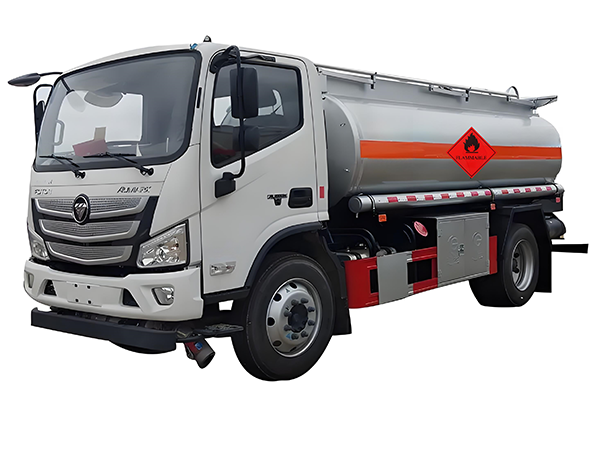
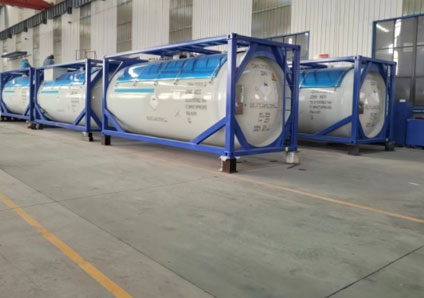
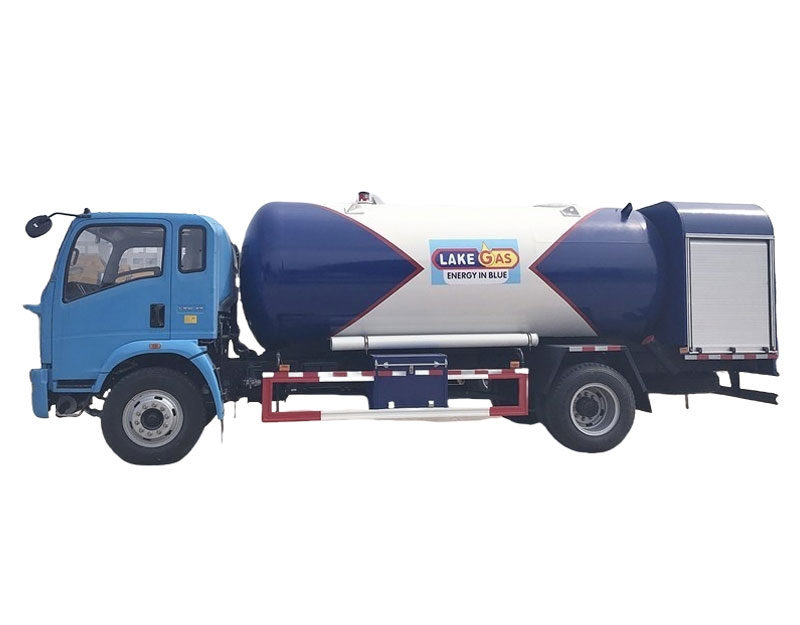
A fuel tanker is used for bulk fuel transport, a refueling truck is built for mobile fuel dispensing, and a chemical tanker is designed for chemical liquids that may need corrosion-resistant materials, special linings, or stricter safety control. The right choice depends on the liquid you carry, the delivery site, the unloading method, and the safety requirements of your operation.
Although these vehicles all use tank bodies, they are not interchangeable. Their tank structure, pump system, discharge design, and material selection can be very different. For B2B buyers, the key is matching the vehicle to the cargo and working scenario.
What Is the Main Difference Between a Fuel Tanker, Refueling Truck and Chemical Tanker?
The main difference is the operating purpose.
A fuel tanker truck transports fuel from one storage point to another, such as from a depot to a gas station, industrial facility, or fuel distribution center. It focuses on tank capacity, compartment layout, loading safety, and stable road transport.
A refueling truck is used when fuel must be delivered directly into vehicles, machines, generators, aircraft, or off-road equipment. It usually needs a pump, flow meter, hose reel, dispensing nozzle, filter, and control system for measured on-site fueling.
A chemical tanker truck is used for industrial chemicals, corrosive liquids, solvents, acids, or other special liquids. Its design focuses on cargo compatibility, tank material, internal lining, sealing performance, valve selection, and safe discharge.
| Vehicle Type | Primary Use | Common Liquids | Key Configuration | Best-Fit Operation |
|---|
| Fuel Tanker | Bulk fuel transport | Diesel, gasoline, fuel oil, aviation fuel | Compartments, valves, safety accessories | Fuel depots, stations, industrial delivery |
| Refueling Truck | Mobile fuel dispensing | Diesel, gasoline, aviation fuel | Pump, meter, hose reel, nozzle | Fleet yards, construction sites, mines, airports |
| Chemical Tanker | Chemical liquid transport | Acids, solvents, industrial chemicals | Corrosion-resistant tank, lining, sealed discharge | Chemical plants, industrial logistics |
When Should You Choose a Fuel Tanker?
Choose a fuel tanker when your main task is transporting fuel in larger volumes. It is suitable for moving diesel, gasoline, fuel oil, or aviation fuel between terminals, storage tanks, stations, power plants, and industrial users.
Important selection points include tank capacity, number of compartments, loading method, unloading efficiency, manhole design, valve layout, anti-static protection, and emergency safety accessories. If your delivery route involves different fuel grades or different customers, a multi-compartment fuel tanker can separate products within one tank body.
A fuel tanker is usually better when the unloading point already has storage tanks or receiving equipment. It supports scheduled distribution and bulk transport, not frequent small-volume dispensing at multiple machines.
When Is a Refueling Truck the Better Choice?
Choose a refueling truck when fuel needs to be delivered directly to equipment instead of only transferred to a storage tank. This vehicle is common in construction sites, mining areas, logistics fleets, ports, airports, farms, emergency power projects, and remote worksites.
The value of a refueling truck is operational flexibility. It can bring fuel to excavators, loaders, cranes, generators, trucks, or aircraft service vehicles, reducing the need to move equipment back to a fixed fuel station. For fleet managers, this can also make daily fuel records easier to control.
Typical configurations include a fuel pump, flow meter, hose reel, dispensing nozzle, filter, emergency shut-off device, and sometimes a digital fuel management system. The metering system is especially important when fuel use must be tracked by vehicle, driver, project, or department.
| Decision Factor | Fuel Tanker | Refueling Truck |
|---|
| Main Function | Move fuel between storage points | Dispense fuel directly into equipment |
| Best Scenario | Depot, station, regional delivery | Fleet yard, job site, mine, airport |
| Pump and Meter | Optional or basic | Core configuration |
| Operational Flexibility | Medium | High |
When Do You Need a Chemical Tanker Instead?
Choose a chemical tanker when the liquid cannot be safely handled by a standard fuel tanker or refueling truck. For chemical transport, capacity is only one part of the decision. The tank body, lining, valves, seals, gaskets, pipes, and discharge system must be compatible with the cargo.
Chemical liquids may be corrosive, flammable, toxic, reactive, or sensitive to contamination. Depending on the medium, the tanker may require stainless steel, aluminum alloy, rubber lining, PE lining, special coating, heating insulation, vapor recovery, or a closed discharge system.
Before choosing a chemical tanker, confirm the chemical name, concentration, temperature, density, hazard classification, unloading method, and whether the tanker will carry one liquid or multiple compatible products.
How to Choose the Right Tank Truck for Your Operation
Start with the cargo.
Diesel, gasoline, aviation fuel, solvents, acids, and industrial chemicals require different tank structures and safety measures. Fuel transport usually focuses on anti-static protection, compartment planning, and fuel unloading. Chemical transport requires a deeper review of corrosion resistance and material compatibility.
Next, define the operating mode.
If you move fuel from depot to storage site, choose a fuel tanker. If you refuel machines directly at the job site, choose a refueling truck. If you move chemical liquids between plants or industrial customers, choose a chemical tanker.
Then confirm the unloading system.
Your operation may need gravity discharge, pump discharge, metered dispensing, hose reels, bottom loading, top loading, or closed-loop chemical discharge. This decision affects pump selection, valve layout, pipeline design, and daily safety.
Finally, review local compliance requirements.
Tank truck regulations vary by country, cargo type, road rules, and hazardous material classification. Before ordering, confirm applicable standards, inspection requirements, labeling rules, and safety documentation with your supplier and local authorities.
Conclusion
A fuel tanker is suitable for bulk fuel transport, a refueling truck is better for mobile fuel dispensing, and a chemical tanker is required when cargo compatibility, corrosion resistance, and chemical safety are the main concerns. The best solution is defined by cargo type, operating mode, unloading method, tank material, and compliance needs.
Need a tank truck configured for fuel transport, mobile refueling, or chemical liquid delivery? Share your cargo type, required capacity, unloading method, and operating conditions with our team to get a practical tank truck recommendation for your operation.
 English