A dust suppression vehicle should be selected according to the dust source, required coverage and expected working duration. A configuration used around a concentrated material-handling point may differ from one used across a large construction or industrial area.
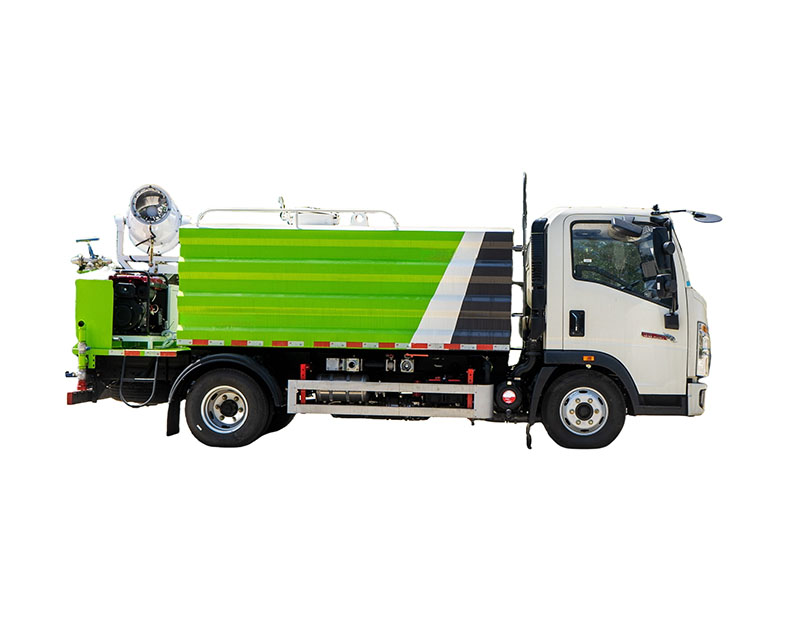
Dust-control trucks combine a water tank, multi-directional spraying equipment and a mist-cannon unit. Available tank capacities include 5,000, 10,000, 15,000 and 20,000 litres.
Spray range, spray height, adjustable flow and cannon movement should be considered together with tank volume. Selecting one specification without the others can produce an unbalanced configuration.
How Does a Dust Suppression Vehicle Work?
A dust suppression vehicle uses a high-pressure spraying system to distribute water droplets toward an airborne dust source. The sprayed droplets interact with the dust and help reduce its movement through the surrounding air.
The spraying structure can include a water inlet, front-flushing outlet, side nozzles, rear-spraying arrangement and high-pressure cannon.
The mist-cannon unit consists of nozzles, a high-pressure mist pump, centrifugal fan, draft tube and hydraulic pump. The fan carries the atomized spray toward the target area, while the cannon controls its direction.
A PLC control module, dual frequency converters and remote-interaction module can coordinate the spraying system and adjust its working output.
This combination creates a mobile dust-control system capable of targeted cannon spraying as well as front, side and rear water distribution.
Dust Suppression Truck Tank Capacity Options
Tank capacities of 5,000, 10,000, 15,000 and 20,000 litres are available for dust suppression trucks. Material options include 5 mm Q235 carbon steel and stainless steel.
Tank capacity affects how long the spraying system can operate before refilling. However, the largest available tank is not automatically the best choice for every application.
Expected spray flow and working duration should be considered first. A cannon operating continuously consumes water differently from front or side spraying used at intervals.
The distance between the working area and the water source also affects the practical operating cycle. Longer periods between refills may increase the required tank capacity.
The objective is to match tank volume with the required spraying time instead of treating litres as an isolated specification.
Spray Range, Height and Flow of Dust Control Trucks
A maximum spray range of 100 metres and maximum spray height of 30 metres are available for the corresponding dust-control configuration.
Spray volume can be adjusted from 0 to 160 litres per minute. The nozzle pitch angle ranges from minus 10 to 60 degrees, while horizontal rotation extends from minus 90 to 90 degrees.
Higher-powered environmental dust-reduction cannon options can exceed a range of 150 metres when combined with an appropriate auxiliary power configuration.
These specifications should be considered together. A longer spray range changes the required cannon and power arrangement, while a higher flow rate uses the available tank volume more quickly.
Two trucks with the same 10,000-litre tank may therefore achieve different operating times when their spray-flow settings differ.
Buyers should define the required reach, height and working duration before selecting the final tank-and-cannon combination.
Dust Suppression Trucks Within a Sanitation Fleet
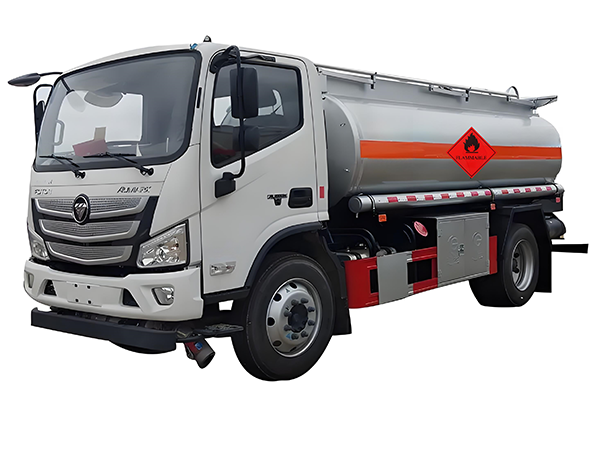
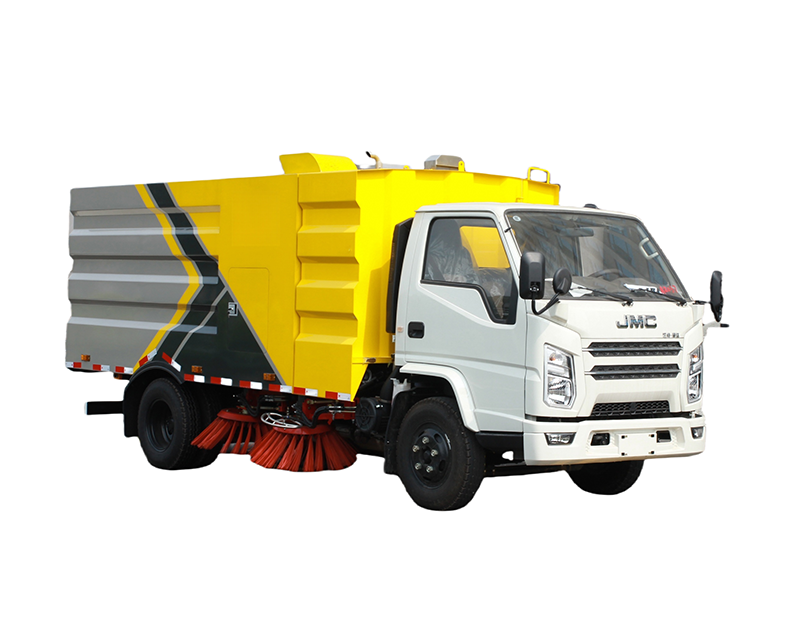
Dust-control vehicles form part of a broader range of sanitation trucks, which can also include water tank trucks, sewage suction trucks, fecal suction trucks, sweepers and cleaning-sweeper trucks.
Dust suppression trucks are mainly used for airborne-dust control in mines, construction sites, industrial areas, rail-related working areas and other dusty environments.
A water tank truck is a related but broader sanitation vehicle used for tasks such as road cleaning, irrigation and general water spraying.
A dust suppression vehicle places greater emphasis on the mist-cannon unit and directional long-range spraying. It can also include front, side and rear spraying functions.
The selection should follow the main working task. Where targeted airborne-dust treatment is the priority, cannon range and spray movement become central specifications. Where general road washing or irrigation is the main requirement, a water-tank configuration may be considered.
FAQs About Dust Suppression Vehicles
What tank capacities are available?
Available configurations include 5,000-, 10,000-, 15,000- and 20,000-litre tanks.
What is the maximum spray range?
A maximum range of 100 metres is available for the corresponding configuration. Higher-powered cannon options can exceed 150 metres.
What is the available spray height?
The maximum spray height can reach 30 metres for the corresponding configuration.
Can the spray direction be adjusted?
Yes. The nozzle pitch range extends from minus 10 to 60 degrees, while horizontal rotation ranges from minus 90 to 90 degrees.
What tank materials are available?
Available materials include 5 mm Q235 carbon steel and stainless steel.
What information should be provided for selection?
Buyers should provide the application, target spray distance, required spray height, expected operating duration, preferred tank capacity and chassis preference.
Conclusion: Match Tank Volume with Spray Performance
A dust suppression vehicle should be configured around the actual dust source and working cycle. Tank volume determines the available water supply, while spray range, height, flow and movement determine how that water reaches the target.
Buyers should first define the area to be treated and the required operating duration. The tank, cannon and chassis can then be selected as a complete system.
This approach is more reliable than choosing the largest tank or longest spray range without considering how the vehicle will actually be used.
 English