A recovery lorry is not a single-purpose vehicle with a fixed configuration. Depending on its upper-body structure, it may load a disabled vehicle onto a platform, lift one end of the vehicle for towing or use an extended arm to reposition it before transportation.
The correct configuration depends on the type and weight of the vehicles normally being recovered, the required recovery method and the expected towing distance. Choosing only by engine power, chassis brand or external appearance may result in a truck that does not match the actual recovery task.
Common configurations include flatbed recovery trucks, integrated tow-and-lift vehicles, folding-arm tow trucks and tandem-towing units. Understanding how these structures work can help operators prepare a clearer specification before contacting a manufacturer.
What Is a Recovery Lorry Used For?
A recovery lorry is used to tow, lift or transport vehicles that cannot continue driving normally. These may include vehicles with mechanical problems, vehicles damaged in an accident or vehicles that need to be removed from a restricted location.
Recovery work can involve several different operations. A damaged vehicle may need to be pulled into position, lifted from one end or completely loaded onto a platform. The truck must therefore be selected according to the required recovery method instead of being treated as a general transport vehicle.
Recovery trucks can also form part of a broader fleet of emergency response vehicles, working alongside other vehicles used for emergency support and on-site services.
Before selecting a configuration, the operator should identify the vehicle classes most frequently handled. A fleet serving passenger cars will have different upper-body requirements from one that regularly handles commercial vehicles.
Main Types of Commercial Recovery Lorries
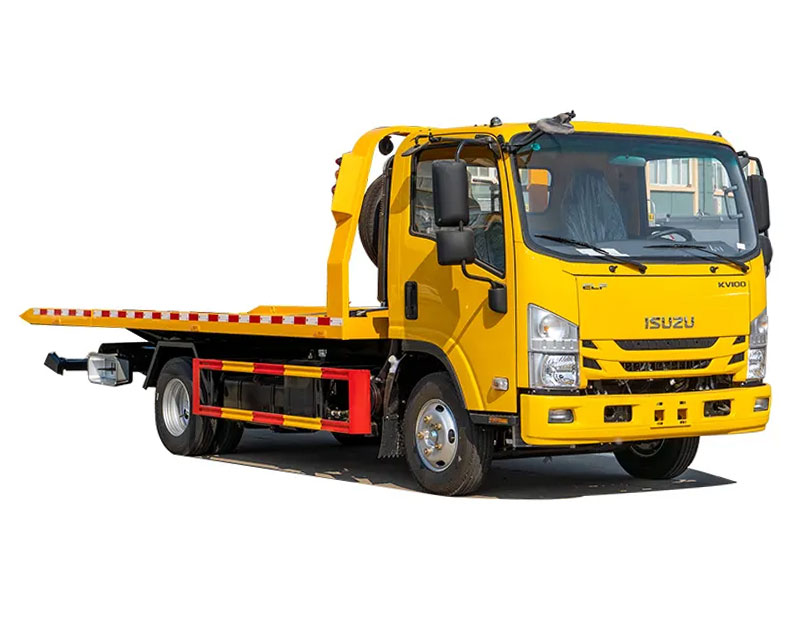
A flatbed recovery truck carries the recovered vehicle on a loading platform. The complete vehicle is placed on the board rather than being towed with part of it remaining on the ground. Platform dimensions and rated capacity must match the intended vehicle class.
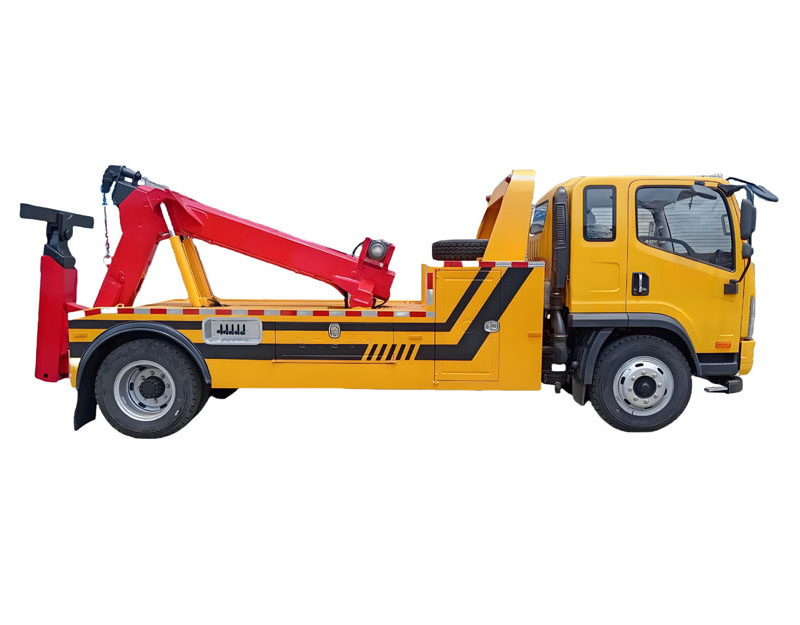
An integrated tow-and-lift truck combines lifting and towing equipment in one unit. It can perform traction and hoisting operations without requiring separate vehicles for each task. This configuration may be considered when the operator needs one truck to perform several common recovery movements.
A folding-arm tow truck uses a telescopic structure that adapts to different working heights. It is useful when lifting reach is an important part of positioning or recovering the disabled vehicle.
A tandem-towing configuration uses additional towing equipment to increase the number of available recovery methods. The exact working capability still depends on the chassis, towing arrangement and target vehicle.
The most suitable type is determined by what happens after the truck arrives. If complete vehicle loading is the main task, a flatbed may be appropriate. If lifting and towing are both required, an integrated or folding-arm configuration may provide a better match.
Core Components of a Recovery Truck
The lifting device is one of the main working structures. Powered by the hydraulic system, it can perform lifting, towing and traction movements according to the upper-body design.
The hydraulic system supplies power through oil pumps, cylinders and related control components. Its output must correspond to the lifting equipment and intended working capacity.
Towing equipment may include tow hooks or clamping devices. These components create the connection between the recovery truck and the target vehicle during towing or repositioning.
Support legs help stabilize the truck while lifting work is being carried out. A control system, including electrical controls and an operating panel, enables the operator to manage the movements of the upper structure.
Other available features include a non-slip cold-rolled platform, oil cylinders, an expansion board and an integrated control system. These elements should be evaluated as one working system rather than selected independently.
How Should a Recovery Truck Manufacturer Match the Configuration?
The first consideration is the target vehicle. Buyers should provide the vehicle type, approximate weight and whether the normal task involves towing, partial lifting or complete platform loading.
Available model options include an ISUZU 140HP 5T recovery truck, a Foton 3T 160HP recovery truck, a Sinotruk HOWO 140HP wrecker truck, an FAW folding-arm tow truck and a JAC integrated tow truck. These configurations illustrate how engine output, working capacity and upper-body structure can vary.
Chassis options include Dongfeng, Foton, Sinotruk, FAW, JAC and ISUZU. Drive arrangements can include 4×2, 6×4, 8×4, 4×4, 6×6 and 8×8. Engine options include Cummins, ISUZU, Weichai, Yuchai and Yunnei, while transmission choices include Fast, ZF and manual or automated-manual configurations.
When discussing a project with a recovery truck manufacturer, buyers should provide more than a general request for a tow truck. The inquiry should identify the target vehicle class, maximum expected vehicle weight, preferred recovery method, chassis requirement and normal towing distance.
This information helps determine whether a flatbed, integrated tow-and-lift or folding-arm model is more appropriate.
FAQs About Recovery Lorries
What is the difference between a flatbed and an integrated recovery truck?
A flatbed carries the recovered vehicle on a platform. An integrated model combines lifting and towing functions, allowing the truck to perform recovery operations without always loading the complete vehicle onto the board.
When should a folding-arm tow truck be considered?
A folding-arm model can be considered when adjustable lifting reach is important. Its telescopic structure enables the working arm to adapt to different positions and heights.
Can one recovery truck transport more than one vehicle?
Some configurations may combine a platform with additional towing equipment or use a tandem arrangement. The actual capability depends on the selected chassis and the rated capacity of the complete vehicle.
What chassis brands are available?
Available options include Dongfeng, Foton, Sinotruk, FAW, JAC and ISUZU, with multiple drive and engine configurations.
What information is required for a quotation?
Useful information includes the target vehicle type, maximum vehicle weight, preferred loading or towing method, expected towing distance, chassis preference and destination.
Conclusion: Define the Recovery Task Before Choosing the Truck
A recovery lorry should be configured around the vehicles and recovery methods it will encounter. Engine output, platform appearance and truck size alone do not provide enough information for selection.
The buyer should first determine whether the work mainly requires complete platform loading, integrated lifting and towing or extended lifting reach. The upper body, towing equipment, chassis and working capacity can then be matched to that requirement.
A complete inquiry allows the manufacturer to recommend a recovery vehicle based on the actual task rather than a generic truck description.
 English