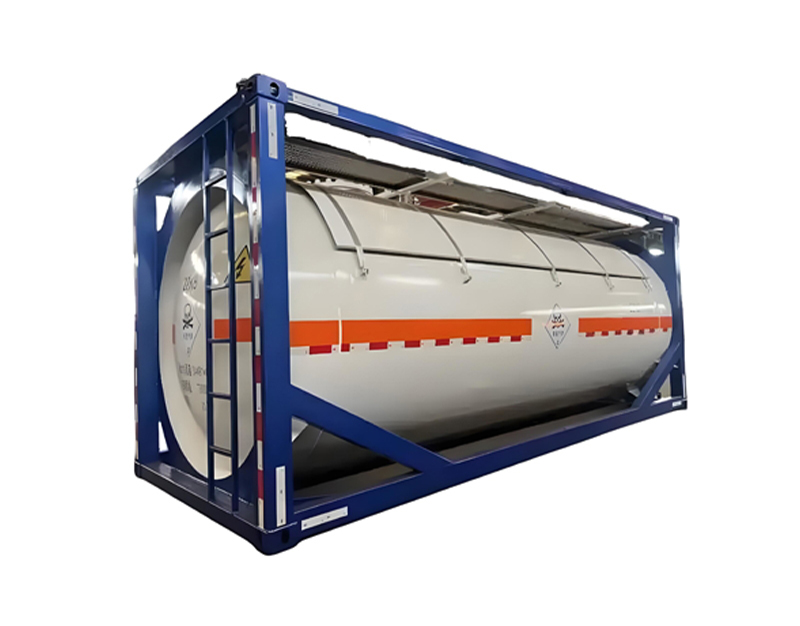
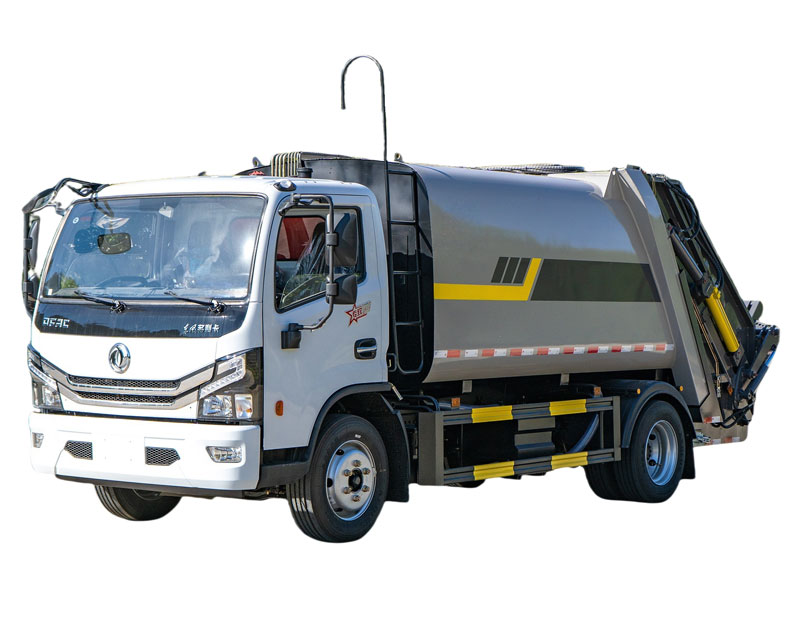
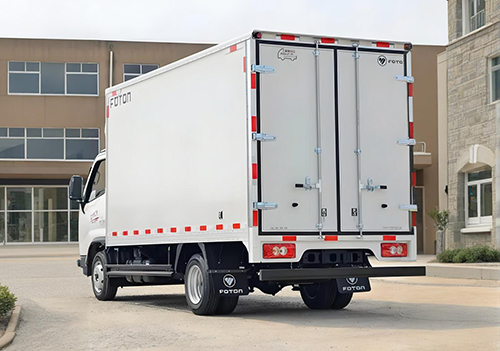
Liquefied petroleum gas requires specialized equipment because the product is carried in pressurized liquid form. For companies involved in LPG distribution, terminal supply, industrial gas handling, or bulk gas logistics, transportation equipment can include rigid LPG tank trucks as well as higher-capacity LPG semi trailers. Each format combines a pressure tank with a vehicle or trailer structure designed specifically for liquefied gas transport.
In practical terms, LPG transportation equipment differs mainly in tank capacity, vehicle structure, chassis configuration, and the type of gas-handling operation it supports. Vehision's current LPG range includes rigid LPG tank trucks from 5.5 CBM to 37.2 CBM and LPG semi trailers with listed tank volumes from 40 CBM to 60 CBM. Its broader LPG solution also includes storage and filling-related equipment, allowing transport equipment to be considered as part of a complete LPG handling system.
For buyers comparing equipment for bulk LPG transportation, capacity alone should not be the only consideration. Tank construction, supported gas media, chassis or trailer structure, and the relationship between transport equipment and the rest of the LPG facility all influence the final specification.
What Is LPG Transportation Equipment?
LPG transportation equipment is designed to carry liquefied petroleum gas and related liquefied gases in a dedicated pressure tank mounted either on a truck chassis or on a semi-trailer structure.
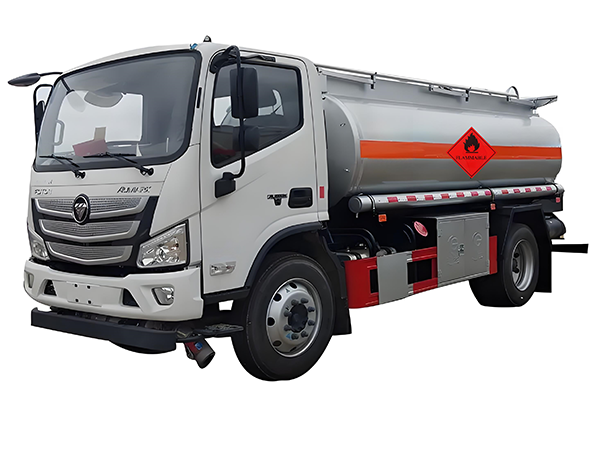
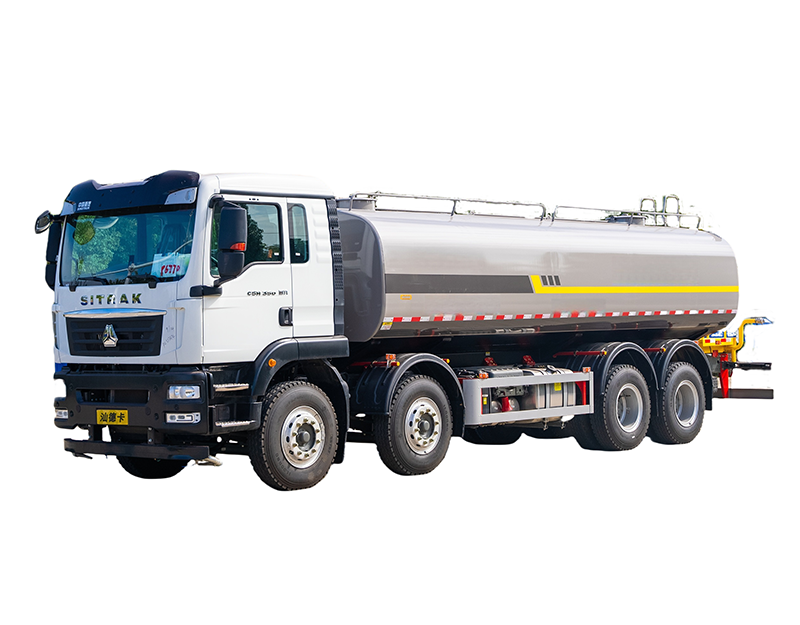
A rigid LPG transport truck combines the truck chassis and LPG tank into one complete vehicle. Vehision currently lists LPG tank truck capacities including 10, 15, 20, 25, 30, and 35 CBM in its general specification, while its recommended model range extends from a 5.5 CBM bobtail tank truck to a 37.2 CBM truck-mounted LPG tanker.
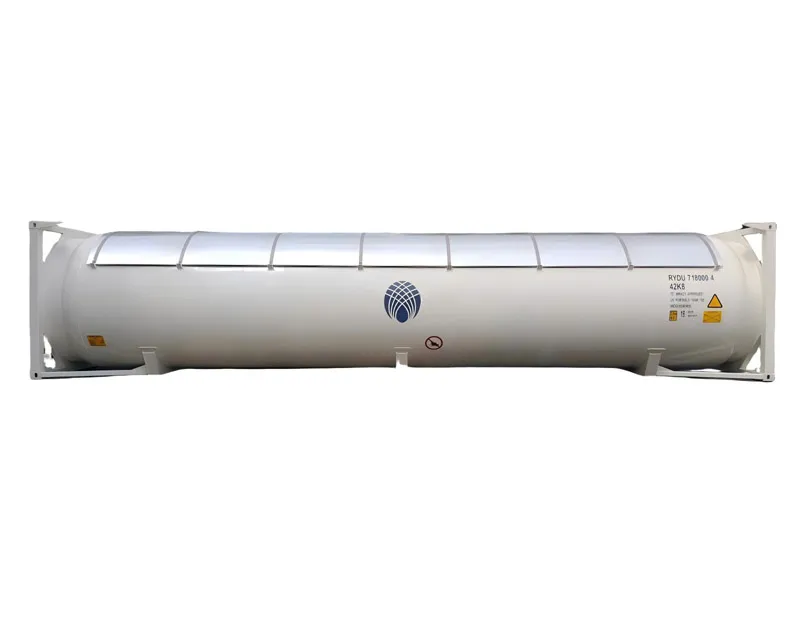
An LPG transport trailer separates the pressure tank and trailer structure from the tractor. Vehision's semi-trailer category includes 40, 49.6, 54, 58.5, and 59.5 CBM models, while the general specification lists 40, 50, 55, 58, and 60 CBM tank volumes.
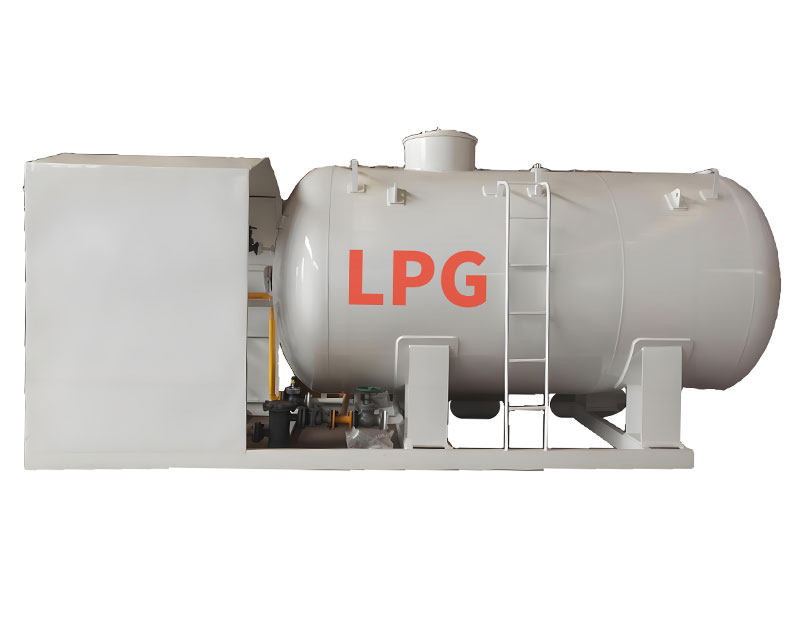
Both are part of a broader LPG transport system. The complete Vehision LPG portfolio also includes skid stations and LPG storage tanks, allowing transport, stationary storage, and gas handling equipment to be planned within the same product family.
LPG Tank Trucks for Bulk Gas Transport
Rigid LPG tank trucks cover a wide range of tank sizes and chassis configurations.
Vehision's general LPG tank truck specification lists chassis options from Dongfeng, Foton, Sinotruk Howo, ISUZU, FAW, NORTH BENZ, JAC, and CAMC. Available drive configurations include 4×2, 6×4, 8×4, 4×4, 6×6, and 8×8, depending on the selected truck.
The tank body is specified as Q345R high-tension steel on the general product page, with a listed 10 mm tank-body thickness for the standard configuration. The current product range includes multiple capacities rather than a single standard tank size.
Individual models demonstrate how specifications change across the range. The 8 CBM LPG Delivery Truck uses a HOWO 4×2 chassis and an 8 m³ Q345R tank. The 10 CBM LPG Road Tanker uses a Dongfeng 4×2 chassis and a 10 m³ tank made from the same listed material. The 5.5 CBM model uses a Dongfeng chassis with a 5.5 m³ tank.
These differences make rigid tank trucks a configurable part of LPG gas transport operations rather than one fixed product type. Tank volume, chassis, engine, transmission, dimensions, and upper-body configuration all vary by model.
LPG Semi Trailers for Higher-Capacity Transport
For larger tank volumes, an LPG semi trailer provides a different equipment structure.
Vehision's LPG semi trailer range currently includes models from approximately 40 CBM to 60 CBM. The standard specification shown on the category page lists an overall dimension of 12,700 × 2,480 × 3,800 mm for one configuration, an estimated tare weight of 15,480 kg, and a stated payload of 23,520 kg.
The listed tank body uses Q345R material, with the tanker body and end plate shown at 12 mm thickness in the standard specification. The product page also lists several compatible media, including propane, liquefied petroleum gas, propylene, dimethyl ether, n-butane, isobutane, butene, isobutylene, butadiene, liquid ammonia, liquid sulfur dioxide, and ethylene oxide.
That wider list is useful because an LPG trailer specification should not be selected solely from the generic term "LPG." The exact filling medium is a fundamental engineering input. Material compatibility, tank design, and final configuration need to correspond to the intended liquefied gas.
From an SEO and purchasing perspective, this distinction also explains why searches for LPG trucking, LPG tank trucks, LPG tank trailers, and bulk LPG transportation can refer to related but not identical equipment.
How Capacity and Tank Configuration Change Equipment Selection
Tank capacity is one of the clearest differences across LPG transport equipment.
Vehision's current product range can be viewed approximately as:
| Equipment | Current Listed Capacity Range |
|---|
| LPG tank truck models | 5.5-37.2 CBM |
| General LPG tank truck specification | 10-35 CBM |
| LPG semi trailer models | 40-59.5 CBM |
| General LPG semi trailer specification | 40-60 CBM |
These ranges come from the current Vehision category and model pages and should be treated as product-family references rather than universal industry limits.
Capacity affects more than how much gas the tank can contain. Increasing tank size normally changes the vehicle or trailer structure, overall dimensions, gross weight, axle configuration, and the type of tractor or chassis required.
Tank material is another important specification. Vehision's current rigid LPG tank truck and LPG semi-trailer pages both list Q345R as a principal pressure-bearing material in their standard configurations. Individual models should still be checked separately because equipment specifications can vary.
The filling medium also needs to be defined clearly. The LPG semi-trailer range supports several liquefied gases in addition to LPG, whereas individual rigid truck pages may specify LPG as the dedicated filling medium.
For bulk LPG transportation, these parameters provide a more useful basis for equipment selection than simply comparing product names.
FAQ About LPG Transportation
What equipment is used for LPG transportation?
Common Vehision product formats include rigid LPG tank trucks and LPG semi trailers. Its broader LPG solution also includes stationary LPG storage tanks and LPG skid stations.
What capacities are available for LPG tank trucks?
Vehision's current recommended rigid truck range extends from 5.5 CBM to 37.2 CBM. The general LPG tank truck specification lists standard tank capacities from 10 CBM to 35 CBM.
What capacities are available for LPG semi trailers?
The current Vehision LPG semi-trailer lineup includes 40 CBM, 49.6 CBM, 54 CBM, 58.5 CBM, and 59.5 CBM models. Its general semi-trailer specification also lists configurations up to 60 CBM.
What material is used for Vehision LPG tanks?
The general LPG truck page specifies Q345R high-tension steel, while the semi-trailer page also lists Q345R for major pressure-bearing tank components.
Can an LPG semi trailer carry gases other than propane?
The current LPG semi-trailer specification lists several liquefied gases, including propane, LPG, propylene, dimethyl ether, n-butane, isobutane, butene, isobutylene, butadiene, liquid ammonia, and liquid sulfur dioxide. The exact trailer should be configured for the specified medium.
Conclusion: Building the Right LPG Transport Equipment Package
Effective LPG gas transportation begins with defining the required tank volume, filling medium, vehicle structure, and operating equipment rather than treating every LPG tanker as the same product.
Vehision currently offers LPG transport trucks across several rigid-truck capacities and LPG transport trailers for larger tank volumes. These products can also be integrated into the company's wider bulk LPG transportation portfolio together with LPG storage and handling equipment.
For project planning, comparing the actual model specifications - including capacity, chassis or trailer structure, tank material, dimensions, payload, and intended filling medium - provides a clearer basis for selecting an LPG transport configuration.
 English