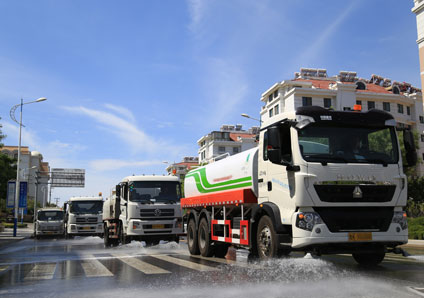
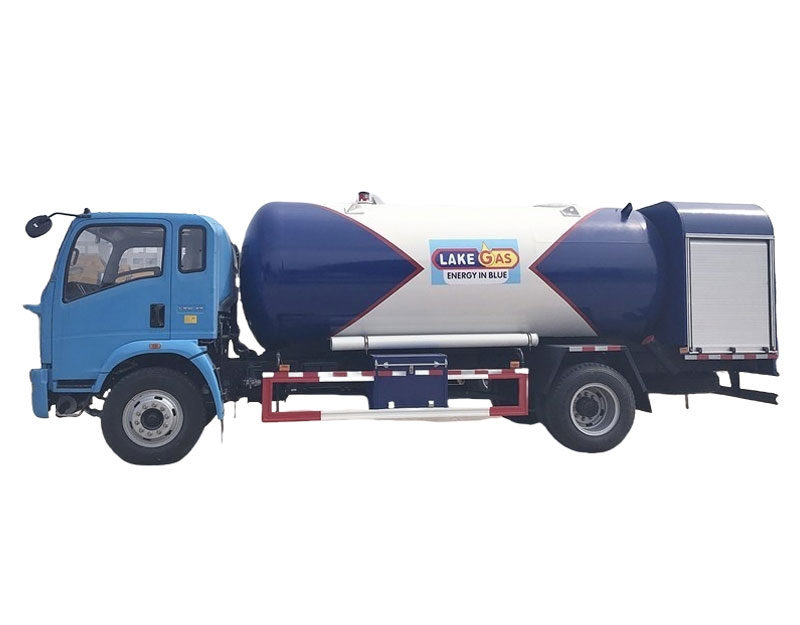
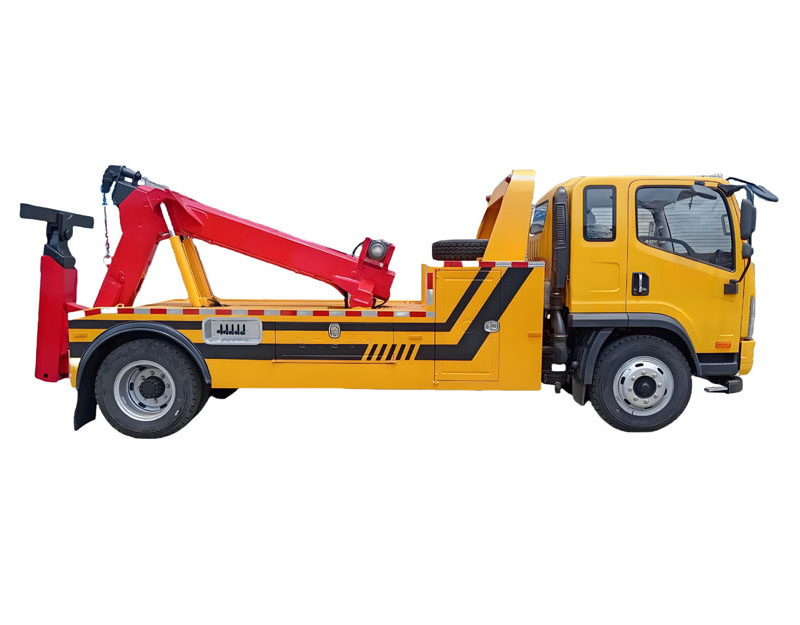
Construction projects require more than one type of vehicle because lifting workers, handling materials and transporting bulk loads are fundamentally different tasks. Selecting equipment only by engine power or maximum capacity can result in a vehicle that is too large for the site, inefficient for the duty cycle or unsuitable for the work process.
Understanding the main types of construction vehicles helps contractors, equipment distributors, fleet operators and project procurement teams compare vehicles by function. A practical selection begins with the work that must be completed, followed by operating height, lifting demand, payload, road conditions and site access.
What Are Construction Vehicles?
Construction vehicles are specialized trucks used to support building, infrastructure, utility, mining and maintenance work. Unlike a general cargo truck, each vehicle has an upper structure designed for a particular operation.
Our construction vehicles are divided into three principal product groups:
Aerial platform trucks for elevated work
Truck-mounted cranes for lifting and transporting materials
Dump trucks for carrying and unloading bulk materials
These vehicles may operate on the same project, but they are not interchangeable. An aerial platform raises workers and tools. A truck-mounted crane lifts cargo. A dump truck transports loose materials and discharges them by tipping the body.
This functional distinction should guide the initial selection. Buyers can then compare capacity, dimensions, chassis configuration and working range within the correct product category.
Main Types of Construction Vehicles and Their Uses
Aerial platform trucks
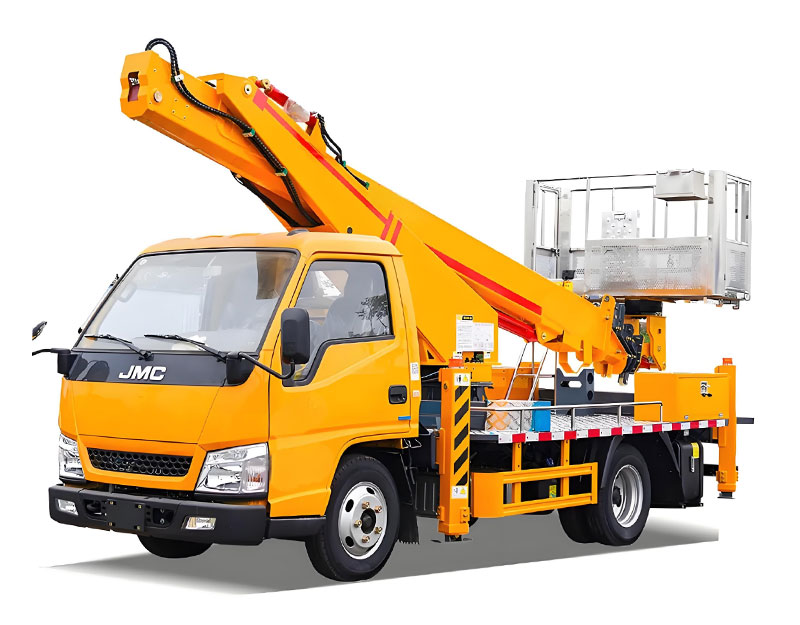
An aerial platform truck provides an elevated working platform for personnel, tools and light materials. Typical applications include building maintenance, power-line work, telecommunications, streetlight service, signage installation and other tasks that require controlled access above ground level.
Available structures include folding-arm, telescopic-arm and scissor-type platforms. A folding arm can work around certain obstacles and provide multiple articulation points. A telescopic arm extends outward and upward along a more direct path. A scissor structure raises the platform vertically and is generally associated with work that requires a stable platform over a defined area.
Working height is only one part of the selection. Buyers should also consider horizontal reach, platform load, available working space and whether the vehicle will operate in urban streets, industrial facilities or open construction sites. Our aerial work truck range covers different working-height requirements, with individual configurations available for different operating environments.
Truck-mounted cranes
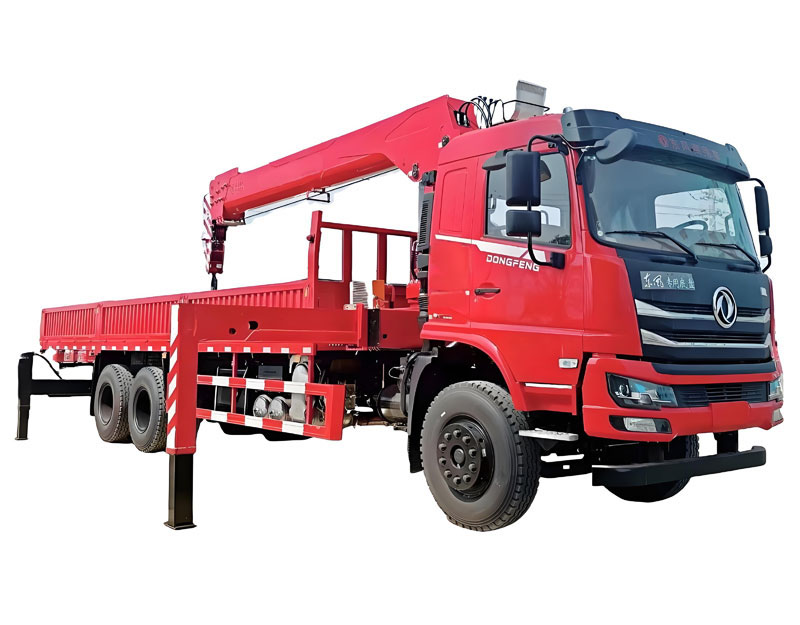
A truck-mounted crane combines a cargo-carrying chassis with lifting equipment. It can transport construction materials to the site and lift them during loading, positioning or unloading.
Different types of truck mounted cranes are available for different lifting duties. Straight-boom and folding-boom structures have different operating characteristics. A straight boom is often selected when vertical or extended lifting reach is important. A folding boom can provide a compact stored position and flexible movement around the truck body.
Crane selection should not be based on rated tonnage alone. The usable lifting capacity changes with working radius, boom extension and operating position. Buyers should provide the expected load weight, maximum lifting distance and required lifting height before comparing models.
Dump trucks
A dump truck transports loose materials such as soil, sand, aggregate, ore and construction debris. Its hydraulic tipping body allows the load to be discharged without separate lifting equipment.
Urban construction dump trucks and mining dump trucks serve different operating conditions. Road-going models must balance payload with manoeuvrability and transport distance. Mining models focus more heavily on high-load operation and repeated cycles in demanding site conditions.
Important comparison points include payload, cargo-body volume, material density, road surface, travel distance and loading equipment. A high-volume body is not automatically suitable for a dense material because the vehicle may reach its weight limit before the body is full.
How to Match a Construction Truck to the Job
A structured selection process reduces the risk of comparing vehicles that perform different functions.
1. Define the primary work
Start with the required output. Does the project need to lift personnel, position construction materials or move loose bulk cargo? This question normally identifies the correct vehicle family.
2. Establish the required working range
For aerial work, record the required vertical height and horizontal reach. For crane work, record load weight, lifting height and working radius. For bulk transport, calculate the payload and cargo-body volume from the material being moved.
3. Review site access
Measure entrance width, available turning area, overhead clearance and working space. A larger vehicle may provide more capacity but may also be difficult to position at a compact urban or industrial site.
4. Consider the road and ground conditions
Compare paved-road transport, mixed road and site operation, mining roads and uneven construction ground. The route affects chassis selection, drive configuration, tyres and the practical payload that can be carried.
5. Estimate the duty cycle
Record the number of lifts, trips or working hours expected per shift. A vehicle used occasionally for maintenance has a different duty cycle from a dump truck operating continuously between an excavation site and a material-processing area.
What Should B2B Buyers Compare Before Requesting a Quote?
A useful quotation should be based on operating data rather than a model name alone.
| Vehicle type | Main data to provide | Important comparison |
|---|
| Aerial platform truck | Required height, horizontal reach, platform load and site access | Boom structure, working range and vehicle dimensions |
| Truck-mounted crane | Load weight, lifting radius, lifting height and cargo requirement | Crane configuration, working capacity and cargo-bed arrangement |
| Dump truck | Material, density, payload, body volume, route and trip frequency | Payload, cargo-body size and site operating conditions |
Buyers should also provide the destination country, preferred chassis brand, steering position, operating climate and estimated annual workload. These details help narrow the available chassis and upper-body configurations.
Vehicle dimensions and weight distribution should be checked before shipment planning begins. If a project requires several vehicle types, the fleet should be planned as a coordinated system. For example, a crane may load materials while dump trucks perform repeated transport cycles, and an aerial platform truck may support later installation or maintenance work.
FAQs About Types of Construction Vehicles
What are the main types of construction vehicles?
The principal groups covered here are aerial platform trucks, truck-mounted cranes and dump trucks. Each group performs a different function: elevated access, material lifting or bulk-material transport.
What construction vehicle is used for working at height?
An aerial platform truck is designed to raise personnel and tools to an elevated working position. The required height, horizontal reach, platform load and available working area determine the appropriate configuration.
What is the difference between a truck-mounted crane and a dump truck?
A truck-mounted crane lifts and positions materials with a boom. A dump truck carries loose bulk materials and unloads them by tipping its cargo body.
How should crane capacity be selected?
Selection should consider the actual load together with the working radius and lifting height. Rated maximum tonnage alone does not describe the capacity available at every boom position.
Does a larger dump body always carry more material?
Not necessarily. Material density and the vehicle’s permitted payload may limit the load before the cargo body reaches its full volume.
What information is required for a construction truck quotation?
Provide the work type, required capacity or working range, site conditions, road conditions, destination country, preferred chassis and expected daily workload.
Conclusion: Choose Construction Vehicles by Work Function
The different types of construction vehicles should be compared according to the task they perform. Aerial platform trucks support elevated work, truck-mounted cranes lift and position materials, and dump trucks transport loose bulk loads.
Begin with the required work output, then confirm working range, payload, site access, road conditions and duty cycle. This approach produces a more useful equipment comparison than selecting a truck only from maximum capacity or purchase price.
 English