Choosing a logistics vehicle begins with the cargo, not the truck name. Frozen food, temperature-sensitive pharmaceuticals, packaged goods, animal feed and gas cylinders have different requirements for cargo space, temperature range, body structure, payload and loading method.
Understanding the main types of trucks in logistics helps manufacturers, distributors, cold-chain operators and transport companies avoid using a general vehicle specification for a specialized cargo task. The correct truck should protect the cargo, fit the route and provide enough capacity without creating unnecessary operating cost.
What Types of Trucks Are Used in Logistics?
Our logistics trucks are organized into two broad product groups: refrigerated trucks and transportation trucks.
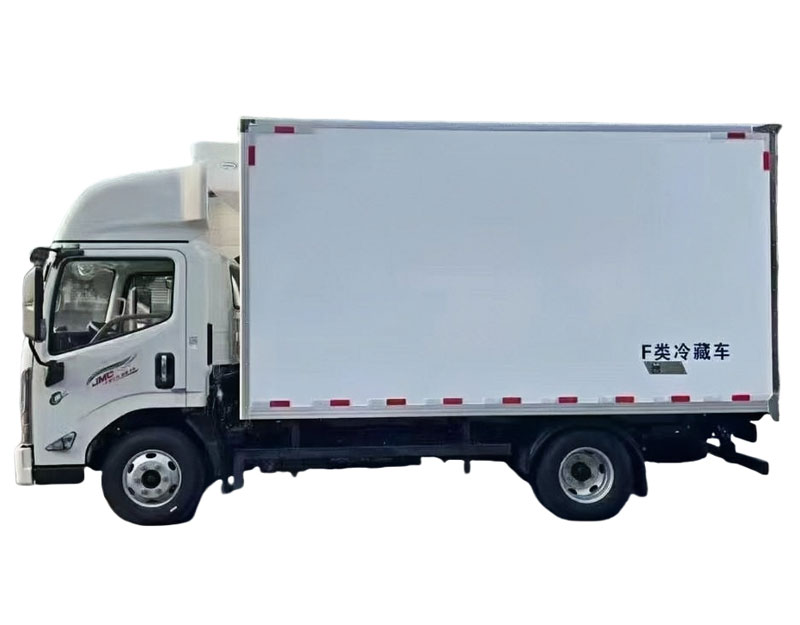
Refrigerated trucks use an insulated cargo compartment and refrigeration equipment to transport products that require controlled temperatures. Applications include frozen food, fresh produce, dairy products and temperature-sensitive pharmaceutical goods.
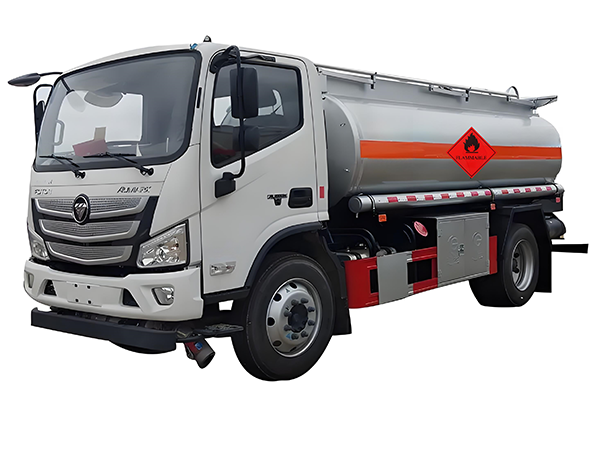
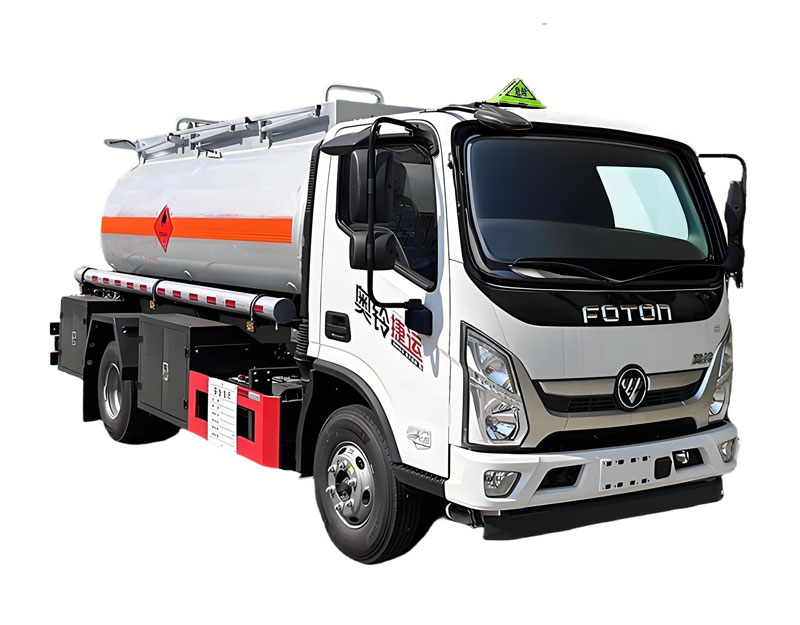
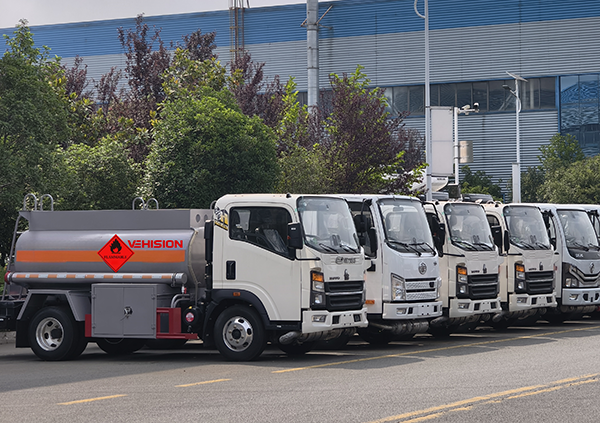
Transportation trucks cover a wider group of cargo-handling tasks. Available configurations include light cargo trucks, bulk feed trucks, gas-cylinder transport vehicles and enclosed vehicles for specialized cargo.
The boundary between these groups is determined by cargo requirements. A refrigerated body is necessary when temperature must be controlled throughout the journey. A general or specialized transportation body is more appropriate when the primary requirements involve payload, cargo dimensions, ventilation, enclosure or a dedicated loading arrangement.
Types of Trucks in Logistics by Cargo Requirement
Refrigerated trucks for temperature-sensitive cargo
A refrigerated truck combines an insulated cargo compartment with a refrigeration unit. The insulation slows heat transfer, while the refrigeration system maintains the selected transport environment.
Refrigerated trucks can support frozen-food delivery, fresh-food distribution and pharmaceutical logistics. These applications should not automatically use the same vehicle configuration. Frozen products, chilled produce and medical goods may require different temperatures, loading practices and operating routines.
Truck selection should consider cargo temperature, route duration, door-opening frequency, ambient conditions and the amount of product loaded. The refrigeration unit and insulated body must be evaluated together. Installing a powerful unit does not compensate for an unsuitable cargo-body size or repeated uncontrolled door opening.
For international perishable-food transport, buyers can review the UNECE ATP framework and determine whether it applies to the planned market and route:
https://unece.org/info/Transport/pub/2657
Transportation trucks for packaged and general cargo
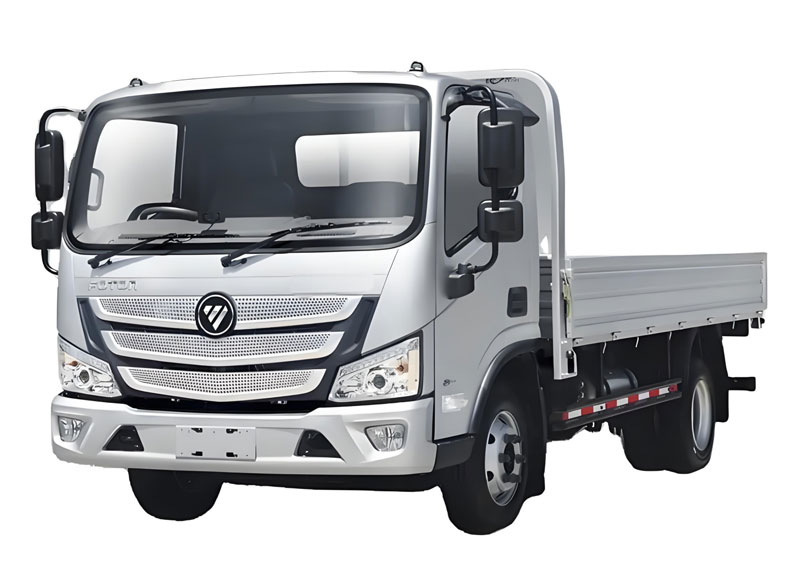
A transportation truck can be configured for packaged goods, factory materials, commercial deliveries and other non-refrigerated transport tasks.
The cargo-body design should reflect how goods are packed and handled. Cartons, pallets, machinery parts and long items have different space requirements. Buyers should compare internal body dimensions rather than relying only on total cubic volume.
Payload also needs to be evaluated alongside volume. A truck carrying light but bulky cartons may reach its space limit first. A truck carrying dense industrial materials may reach its payload limit while considerable cargo space remains unused.
Bulk-feed trucks for agricultural supply chains
Bulk-feed trucks transport animal feed from production facilities to farms or distribution points. Their compartment and discharge arrangements are designed around bulk feed rather than pallets or cartons.
Important planning data include feed density, required delivery quantity, number of destinations per route and the receiving arrangement at each site. These factors determine the useful tank volume and the operating cycle.
Gas-cylinder transport trucks
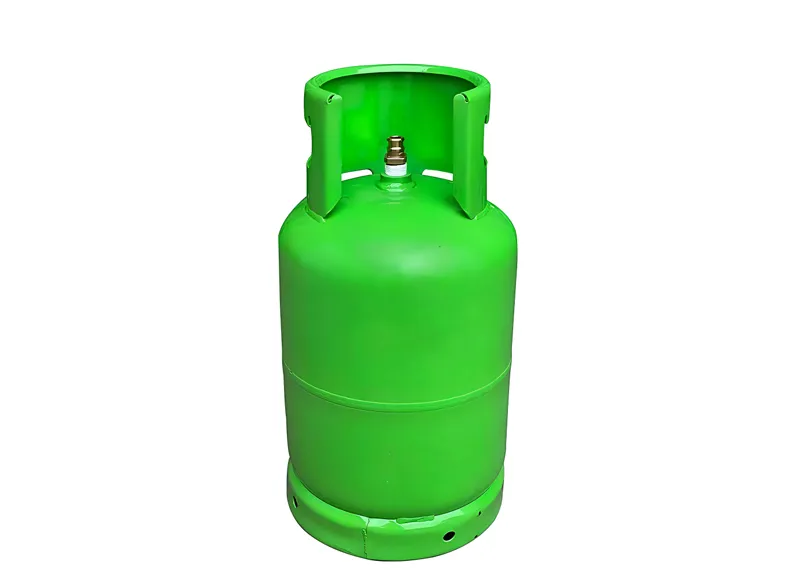
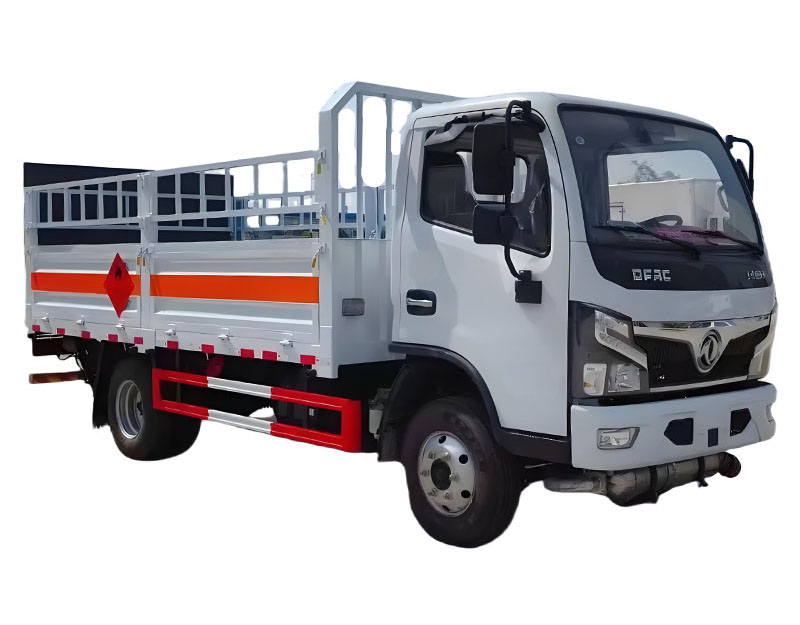
A gas cylinder transport truck provides a dedicated body configuration for transporting packaged gas cylinders.
Cylinder quantity, cylinder dimensions, total cargo mass, loading arrangement and route should be confirmed before selecting the truck. A gas-cylinder vehicle should not be treated as an ordinary enclosed cargo van merely because both vehicles have cargo bodies.
How to Choose a Logistics Truck for a B2B Transport Project
A cargo-based selection method provides a clearer result than choosing from vehicle size alone.
1. Define the cargo
Record the product name, packaging type, dimensions, weight per unit and total shipment quantity. For mixed cargo, identify whether different goods can share the same compartment and transport conditions.
2. Identify environmental requirements
Determine whether the cargo requires refrigeration, insulation, protection from weather or a specialized body structure. Record the required temperature range when applicable.
3. Calculate payload and volume separately
Calculate the total cargo mass and the physical space occupied by the load. Both figures are necessary because a shipment may reach the weight limit or the space limit first.
4. Map the route
Record daily distance, road quality, urban access restrictions, delivery frequency and the number of stops. Long-distance transport and frequent urban delivery can place different demands on vehicle size and cargo-body access.
5. Review loading practices
Confirm whether the cargo is loaded manually, by forklift, through side access or through rear doors. Pallet dimensions and loading equipment should be checked against the internal cargo-body dimensions.
6. Estimate the duty cycle
Calculate the number of trips, working hours and door-opening cycles expected per day. For refrigerated transport, frequent deliveries can affect the thermal load because the cargo compartment is opened repeatedly.
What Information Should Be Included in a Logistics Truck RFQ?
A detailed request for quotation makes it easier to compare configurations on the same basis.
| Required information | Why it matters |
|---|
| Cargo name and packaging | Identifies the appropriate vehicle body |
| Total cargo weight | Determines payload requirements |
| Cargo dimensions and quantity | Determines usable cargo-body space |
| Required temperature range | Defines refrigerated transport needs |
| Route distance and road conditions | Supports chassis and power selection |
| Number of delivery stops | Influences body access and operating cycle |
| Destination country | Helps match the vehicle to the target market |
| Preferred chassis or engine | Narrows the available configuration |
| Expected annual workload | Supports fleet and maintenance planning |
For refrigerated transport, include the required cargo temperature, expected ambient-temperature range, route duration and door-opening frequency. For general cargo, provide pallet sizes or package dimensions. For specialized transport, describe the cargo form and the loading process.
Buyers comparing several suppliers should request the same set of information from each supplier. This prevents one quotation from being based on payload while another is based only on cargo-body volume.
FAQs About Types of Trucks in Logistics
What are the main types of trucks used in logistics?
The main groups covered here are refrigerated trucks and transportation trucks. Transportation trucks can include general cargo vehicles and specialized configurations for bulk feed or gas cylinders.
When is a refrigerated truck necessary?
A refrigerated truck is necessary when the cargo must remain within a controlled temperature range during transport. Common examples include frozen food, chilled products and temperature-sensitive pharmaceutical goods.
Can a general transportation truck carry frozen food?
A general cargo body does not provide the insulation and refrigeration required for frozen-food transport. Temperature-sensitive cargo should use a configuration matched to its transport range and journey conditions.
How do payload and cargo volume differ?
Payload is the maximum cargo mass that can be carried. Cargo volume describes the physical space inside the body. Dense cargo may reach the payload limit first, while light bulky cargo may fill the available space first.
What should be checked when transporting palletized cargo?
Confirm pallet dimensions, pallet quantity, total weight, internal cargo-body dimensions, door opening and the equipment used for loading and unloading.
What information is needed to select a refrigerated truck?
Provide the cargo, required temperature range, shipment weight, cargo volume, ambient conditions, route duration, delivery stops and door-opening frequency.
Conclusion: Match Logistics Trucks to the Cargo
The types of trucks in logistics serve different cargo and route requirements. Refrigerated trucks protect temperature-sensitive goods, general transportation trucks carry packaged or industrial cargo, and specialized bodies support tasks such as bulk-feed and gas-cylinder transport.
Define the cargo, payload, required volume, transport environment, route and loading method before choosing a model. A cargo-based selection process produces a more reliable result than purchasing a truck solely from its external dimensions or nominal capacity.
 English